

Key Takeaways
- A well-maintained European vehicle with a complete service history is often a better buy than one with lower kilometres but an unknown past.
- Budget for the total cost of ownership, including servicing, insurance and future maintenance, not just the purchase price.
- Research common model-specific issues before inspecting a BMW, MINI, Audi or Volkswagen.
- Always review service records, check recall history and complete a PPSR search before making an offer.
- A visual inspection and test drive are important, but they won't identify every hidden mechanical or electrical issue.
- A professional pre-purchase inspection from a European vehicle specialist can help you avoid costly mistakes and buy with confidence.
Why buy a second-hand luxury European car?
A second-hand luxury European car offers many of the same premium features, comfort and driving experience as a new model, but at a significantly lower cost. With the right research and a well-maintained vehicle, it can be a rewarding purchase that delivers excellent long-term value.
For many buyers, purchasing a used European vehicle is an opportunity to enjoy premium engineering without paying the new-car premium. Models from BMW, MINI, Audi and Volkswagen often retain their quality, performance and technology for many years when serviced correctly. The key is to find a vehicle with a strong maintenance history and have it professionally inspected before making your decision.
Why European vehicles offer strong value in the used market
Buying a used European vehicle or luxury car isn't just about owning a premium badge. It's about gaining access to advanced engineering, refined driving dynamics and higher-end features at a lower purchase price.
Australia's used-car market also remains highly active. According to the Australian Automotive Dealer Association, 2,324,805 used vehicles were sold in Australia in 2024, up 12.1% year on year. That demand shows how many buyers continue to see value in pre-owned vehicles, including well-maintained luxury European cars.
Start your search with confidence
Found a European vehicle you're interested in? Let BM Tech inspect it before you buy, so you know exactly what you're getting.
Set a realistic budget before you start shopping
One of the biggest mistakes people make when buying a used luxury car is focusing only on the advertised price. A realistic budget should account for the total cost of ownership, including servicing, insurance, registration and any repairs that may be needed after purchase.
Whether you're buying a luxury vehicle, sports car or family SUV, planning ahead will help you choose a vehicle you can enjoy and maintain with confidence.
Looking beyond the purchase price
If you're buying a second-hand European car, remember that the purchase price is only the beginning. A well-maintained BMW, Audi, Mercedes-Benz or Volvo with a complete service history may cost more upfront than a cheaper alternative, but it could save you thousands in unexpected repairs.
Rather than chasing the lowest price, compare the vehicle's maintenance history, condition and ownership records. A higher-quality example often delivers better long-term value than a bargain that requires immediate repairs.
Understanding ongoing ownership costs
Every used luxury car buying guide should include the ongoing costs of ownership. Premium vehicles are engineered with sophisticated components and advanced technology, which means servicing should be carried out by technicians familiar with European vehicles.
One of the most common surprises we see is buyers budgeting for the purchase price but not for ongoing maintenance. A well-maintained European vehicle is often more affordable to own over time than a neglected example that appears cheaper at first. As part of your budget, consider:
- Scheduled servicing and preventative maintenance
- Insurance premiums
- Tyres and brake components
- Registration and fuel costs
- Unexpected repairs as the vehicle ages
Research the make and model thoroughly
Before inspecting a vehicle, understand the common strengths, known issues and servicing requirements of the make and model you're considering. A little preparation can help you ask better questions and avoid expensive surprises later.
Common issues to look out for
Knowing how to buy a second-hand luxury European car means understanding that every brand has its own maintenance priorities. Having specialised in BMW, MINI, Audi and Volkswagen vehicles since 1987, BM Tech has identified recurring issues buyers should look for before making a purchase. While not every vehicle will experience these faults, they're worth checking as part of your research and inspection.
- BMW: Models such as the 3 Series and 5 Series are renowned for their performance but may experience issues with electronic systems and cooling components.
- MINI: Earlier models have been reported to have transmission issues, particularly with automatic variants.
- Audi: Some models have reported oil consumption issues.
- Volkswagen: Potential issues with the DSG transmissions, and ensure that any recalls have been addressed.
Understanding maintenance requirements
One of the most important things to check when buying a used luxury car is whether it has been serviced according to the manufacturer's schedule. Confirm that major maintenance items have been completed and factor future servicing into your budget.
Checking recall history
Knowing how to avoid buying a dud car also means checking for outstanding recalls. Search the vehicle's VIN through Vehicle Recalls Australia or the manufacturer's website to confirm all recall work has been completed.
Review the vehicle's history before making an offer
Before making an offer, ask the seller for documents confirming the vehicle's ownership, service history, and repair history. Asking the right questions when buying a used luxury car can reveal issues that aren't obvious during an inspection.
Service history and maintenance records
A complete service history should be at the top of your used luxury car inspection checklist. Look for stamped logbooks, invoices and records showing servicing was completed on time.
We'd generally recommend a vehicle with a complete service history over one with lower kilometres but inconsistent maintenance. Regular servicing is often the best indicator of long-term reliability.
Accident and repair history
Ask whether the vehicle has been involved in an accident or undergone major repairs. Then verify the information with a Personal Property Securities Register (PPSR) check to identify any outstanding finance, stolen-vehicle records, or previous write-off status.
Book a service with a European car specialist
Thinking about buying a used MINI? A specialist inspection and ongoing servicing can help you avoid unexpected repairs and keep your vehicle performing at its best.
MINI Service
Keep your MINI Cooper reliable with specialist servicing tailored to your model, driving habits and manufacturer requirements.

Inspect the vehicle carefully
A thorough inspection can reveal signs of neglect or previous repairs that aren't obvious in photos or advertisements. Take your time and inspect the vehicle in good lighting before deciding to buy.
Exterior and bodywork checks
Walk around the vehicle and look for uneven panel gaps, mismatched paint, dents, rust or signs of previous repairs. Check the condition of the tyres and ensure they show even wear, as uneven tread can indicate suspension or wheel alignment issues.
Cosmetic damage isn't always a concern, but inconsistent paintwork or uneven panel alignment can suggest previous accident repairs that deserve closer inspection.
Interior condition and electronics
Test all major features, including the infotainment system, climate control, lights, power windows, seat adjustments and parking sensors. Excessive wear inside the cabin that doesn't match the odometer reading may indicate heavier use than advertised.
Never skip the test drive
A vehicle may look excellent on paper, but the test drive is your opportunity to assess how it performs in real driving conditions. Drive on a mix of local roads and higher-speed roads where possible.
What to look for while driving
Pay attention to steering feel, braking performance, suspension comfort and gear changes. The vehicle should accelerate smoothly, track straight and feel stable without unusual vibrations or warning lights.
Signs of potential mechanical problems
Listen for knocking, rattling or squealing noises from the engine or suspension. Watch for hesitation during acceleration, rough idling, excessive exhaust smoke or transmission hesitation. If anything feels unusual, arrange a professional pre-purchase inspection before committing to the sale.
Be aware of common red flags when buying used
Not all used luxury car brands are a good buy. Recognising common warning signs can help you avoid costly repairs and make a more confident purchasing decision.

Incomplete service records
A missing or inconsistent service history is one of the biggest red flags. Whether you're buying a BMW 7 Series, Mercedes-Benz E-Class, Volkswagen Passat or another model, regular servicing is essential for protecting complex powertrains, automatic transmissions and modern automotive technology.

Unusually low pricing
If a vehicle is priced well below similar examples in the car market, ask why. An attractive initial purchase price can sometimes hide unexpected expenses, previous accident damage or overdue maintenance. Compare prices across similar vehicles with the same age, kilometres and specification before making an offer.

Sellers unwilling to answer questions
A reputable seller should be willing to discuss the vehicle's history, servicing and ownership. If they're reluctant to answer questions, rush the sale or discourage an independent inspection, it's often best to walk away.

Tip: Consider a certified pre-owned vehicle for added peace of mind
If you're new to the world of luxury vehicles, a Certified Pre-Owned (CPO) vehicle may offer additional confidence. These vehicles have typically undergone manufacturer-approved inspections and may include warranties or extended servicing benefits.
While CPO vehicles often have a higher initial purchase price, they can reduce the risk of unexpected expenses and provide extra reassurance for first-time buyers. This can be particularly appealing if you're considering premium car brands
Why a professional pre-purchase inspection is essential
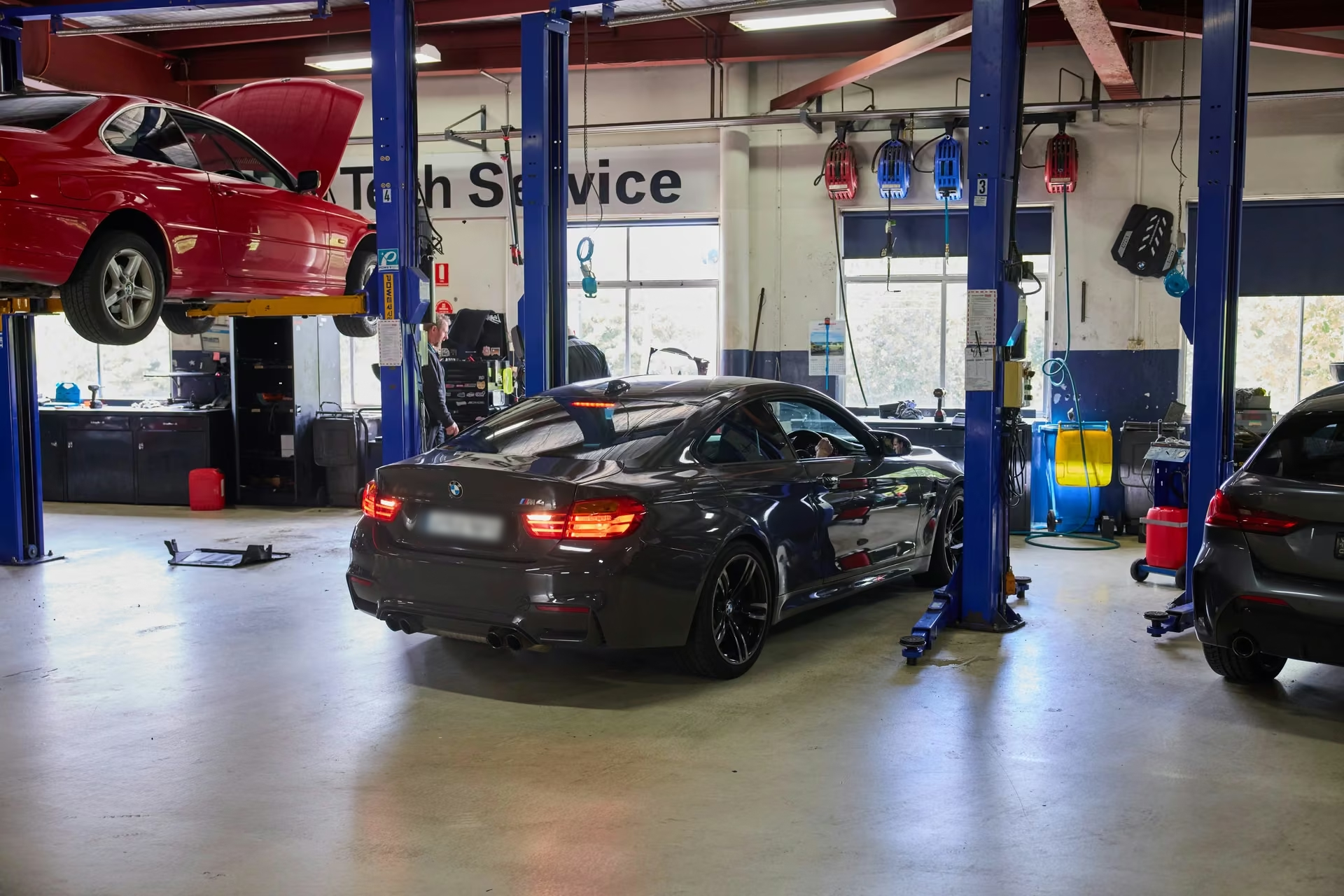
Even a thorough visual inspection and test drive can't identify every issue. Modern European vehicles often rely on complex electronics, advanced driver assistance systems and sophisticated drivetrains that require specialist diagnostic equipment.
A professional pre-purchase inspection helps uncover hidden faults before you buy, giving you greater confidence and reducing the risk of unexpected repair costs.
The BM Tech difference
Buying a European vehicle is a significant investment. Our pre-purchase inspections combine specialist expertise, manufacturer-level diagnostics and transparent advice to help you buy with confidence.

BMW, MINI, Audi and Volkswagen specialists
Since 1987, we've specialised exclusively in BMW, MINI, Audi and Volkswagen vehicles, giving us deep brand-specific knowledge that general workshops can't match.

Manufacturer-level diagnostics
We use advanced diagnostic equipment to identify faults that may not be visible during a standard inspection or test drive.
Transparent advice, no pressure
You'll receive clear findings and honest recommendations, with no pressure to proceed, so you can negotiate confidently or walk away if the vehicle isn't right.
Frequently Asked Questions
Is buying a used sports car or luxury SUV riskier than buying a sedan?
Not necessarily. Whether you're buying a sports car, luxury SUV, SUV or sedan, the most important factors are its service history, overall condition and maintenance record. A specialist pre-purchase inspection can help identify hidden issues regardless of the vehicle type.
Which European car brands hold their value best?
Popular European car brands such as BMW, Audi and Volkswagen often retain strong appeal when they've been well maintained. While resale values vary by model, specification and market demand, a complete service history and consistent maintenance are usually the biggest contributors to long-term value.
Is a newer model always a better buy than an older European car?
Not always. A new luxury car may include the latest technology and safety features, but a well-maintained older model can represent excellent value. As a new luxury car owner, focus on the vehicle's condition, service history and inspection results rather than its age alone.
Contact our European vehicle specialists
Buying a used European car? Book a pre-purchase inspection with BM Tech and buy with confidence, backed by specialist advice.
Table of contents