
Is your car radiator trying to warn you?
A healthy car radiator and cooling system keep your engine at its optimal operating temperature by circulating coolant and dissipating heat. If your engine overheats, develops a coolant leak, or the temperature gauge rises above normal, stop driving and have the vehicle inspected to help prevent engine damage.
Modern vehicles rely on precisely engineered radiators and cooling systems to regulate engine temperature. While many drivers assume every overheating issue starts with the radiator, faults can also involve the thermostat, water pump or cooling fan.
At BM Tech, we've spent decades diagnosing radiator and cooling system problems in European vehicles. This guide explains the warning signs, common causes and maintenance that help keep your engine cool and reduce the risk of expensive repairs.
Book a radiator and cooling system inspection
Whether you've noticed coolant leaks, rising engine temperatures or warning lights, our European vehicle specialists can identify the cause before a minor issue becomes major engine damage.
Car radiator and cooling system problems to watch for
Most car radiator and cooling system problems develop gradually, with warning signs appearing before the engine overheats. Recognising these symptoms early can help prevent roadside breakdowns, costly repairs, and engine damage.

Engine temperature rises, or warning lights appear
A rising temperature gauge or dashboard warning light is often the first indication that the radiator or cooling system isn't working properly. Low coolant, a sticking thermostat, radiator blockage or water pump fault can all cause the engine to overheat.
If the temperature continues to climb, pull over safely and switch off the engine as soon as possible.

Coolant leaks around the radiator or under the car
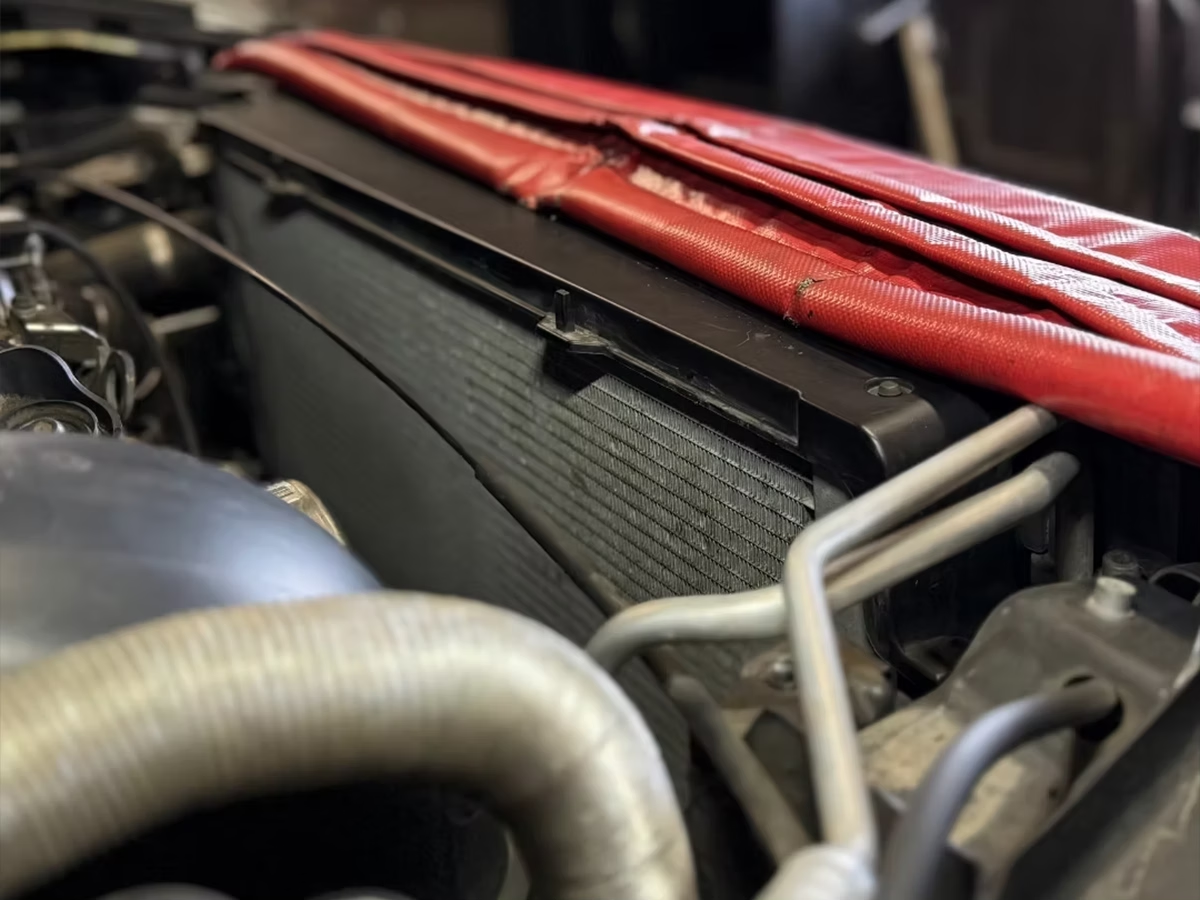
Coolant leaking beneath your vehicle, around the radiator hose, expansion tank or water pump should never be ignored. You may also notice a sweet smell from the engine bay.
Even a small leak reduces the cooling system's efficiency and can quickly lead to overheating if left unrepaired.
Poor heater performance or fluctuating engine temperature
If the cabin heater blows cool air or the engine temperature rises and falls unexpectedly, coolant may not be circulating correctly. Low coolant, trapped air, a worn thermostat or a partially blocked car radiator are common causes.

Steam, radiator damage or pressure loss
Steam escaping from beneath the bonnet, a cracked radiator, a damaged radiator cap, or visible coolant spray usually indicates the cooling system has lost pressure. These are serious warning signs that require immediate inspection to prevent engine damage.
Common radiator and cooling system warning signs
Causes of car cooling and radiator problems
Most radiator and cooling system faults don't occur overnight. They develop as coolant breaks down, components wear out, and Australia's driving conditions place additional strain on the system. Understanding these common causes can help prevent overheating and extend the life of your radiator.
Radiator coolant breaks down over time
Coolant does more than keep the engine cool. It lubricates components, prevents corrosion and protects the cooling system from excessive heat. As coolant ages, these protective properties deteriorate, increasing the risk of corrosion, blocked radiator passages and poor cooling performance.
Replacing coolant at the manufacturer's recommended intervals helps maintain optimal engine temperature and cooling system efficiency.
Heat, pressure and Australian driving conditions
Australia's hot climate, heavy traffic and extended periods of idling all place additional stress on the car's cooling system. Constant heating and cooling cycles cause radiator hoses, seals and plastic components to age, increasing the likelihood of leaks and pressure loss.
For many Melbourne drivers, stop-start commuting can be just as demanding on the radiator as long-distance driving.
Leaks don't always come from the radiator
A coolant leak doesn't necessarily mean the radiator has failed. During inspections, we commonly find leaks originating from the water pump, thermostat housing, expansion tank or ageing radiator hoses.
Identifying the source of the leak early helps avoid unnecessary radiator replacement and prevents more extensive engine repairs.
European vehicles require the correct coolant
BMW, Audi, Volkswagen and MINI vehicles are designed to use manufacturer-approved coolant formulations. Mixing different coolant types or topping up with plain water can reduce corrosion protection and cooling efficiency, increasing the risk of premature radiator and cooling system wear.
Why European car radiators and cooling systems need specialist care
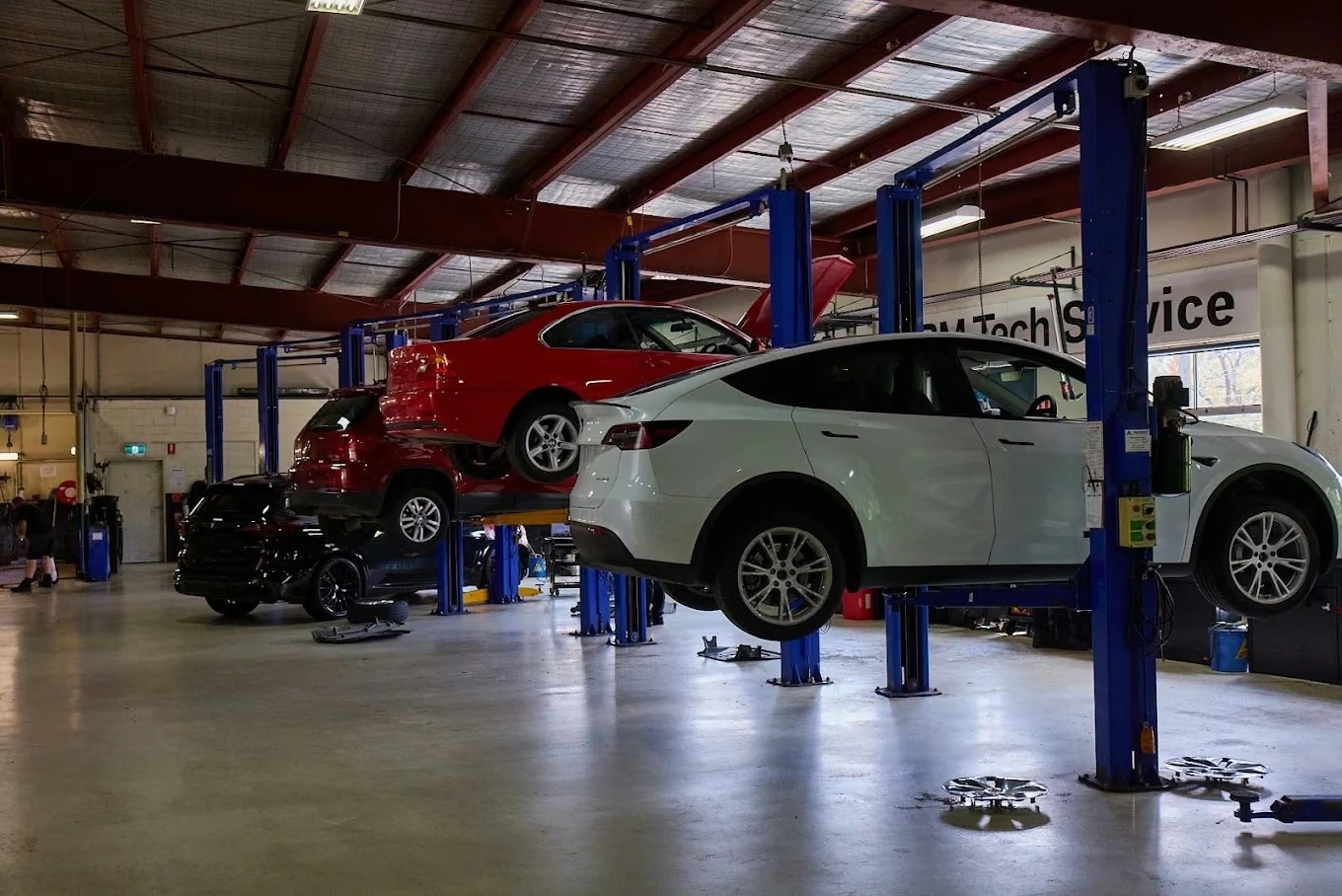
Do you drive a BMW, Volkswagen, Audi, or MINI? You must know that European cooling systems are engineered to maintain precise engine temperatures for performance, fuel efficiency and emissions. Diagnosing radiator problems often requires a complete assessment of the cooling system rather than replacing individual parts based on symptoms alone.
Every cooling system component works together
The radiator, thermostat, water pump, cooling fan, expansion tank and radiator hoses all work together to regulate engine temperature. If one component begins to fail, the entire system's performance can be affected.
Manufacturer-specific parts and coolant matter
Many European vehicles use model-specific coolant formulations, electronic thermostats and specialised cooling components. Using incorrect coolant or incompatible replacement parts can reduce cooling efficiency and shorten component life.
Accurate diagnosis prevents unnecessary repairs
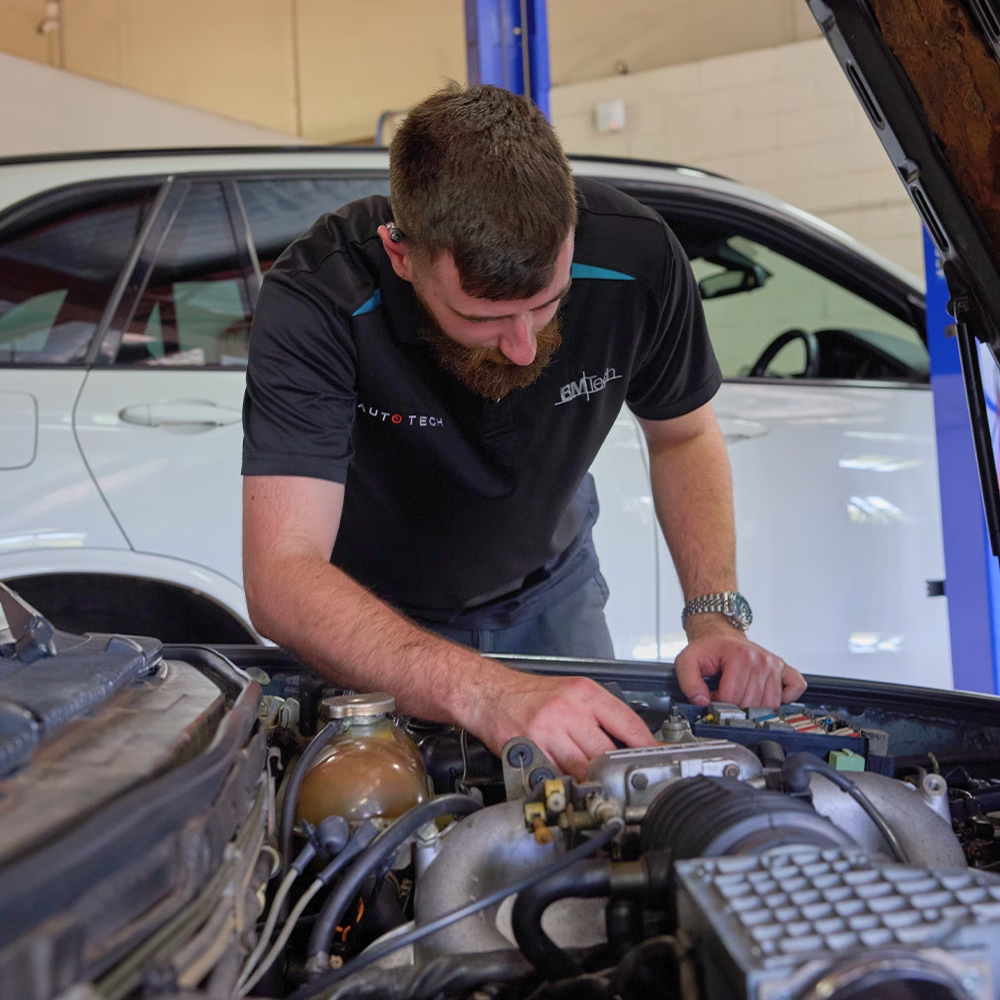
At BM Tech, we pressure-test and inspect the complete cooling system before recommending repairs. This allows us to identify whether the radiator, water pump, thermostat, cooling fan, or another component is responsible, ensuring the correct repair is carried out the first time.
What should you do if you suspect a cooling system or radiator problem?
Whether you've noticed a coolant leak, rising engine temperature or unusual warning light, acting early can help prevent more extensive radiator damage and costly engine repairs. If you suspect a problem, follow these steps before continuing to drive.
- 01
Pay attention to the warning signs
Don't ignore rising engine temperatures, coolant leaks, steam from beneath the bonnet, poor heater performance or dashboard warning lights. These are often early indicators that the radiator or cooling system isn't working as it should.
- 02
Pull over if the engine starts overheating
If the temperature gauge climbs above normal or an overheating warning appears, find a safe place to stop as soon as possible. Continuing to drive can quickly turn a minor cooling system fault into serious engine damage.
- 03
Let the engine cool before inspecting it
Never remove the radiator cap or expansion tank cap while the engine is hot. The cooling system is pressurised, and opening it too early can release boiling coolant and steam. Allow the engine to cool completely before checking coolant levels or looking for obvious leaks.
- 04
Don't assume the radiator is the problem
While a damaged radiator is a common cause of overheating, faults can also involve the thermostat, water pump, cooling fan, expansion tank or radiator cap. Professional diagnostics identify the root cause before replacing parts, helping avoid unnecessary repairs.
- 05
Arrange a professional cooling system inspection
Pressure testing, coolant testing and a complete inspection can identify the source of leaks, overheating or poor cooling performance. This ensures the correct repair is carried out before the problem worsens.
- 06
Repair the fault before driving normally again
Even if the engine temperature returns to normal, avoid treating the issue as resolved. Continuing to drive an overheating vehicle can lead to severe engine damage, including cylinder head and head gasket failure. Repairing the fault promptly is the safest way to protect your engine.
Car radiator maintenance tips to prevent overheating
Regular car servicing is one of the best ways to prevent overheating and extend the life of your cooling system. A few simple checks can help keep coolant circulating efficiently, maintain the correct engine temperature and reduce the risk of costly repairs.
Check coolant levels and condition regularly
Coolant is essential for transferring heat away from the engine while protecting the radiator and cooling system from corrosion. If the coolant level drops or becomes contaminated, cooling performance can suffer. Always check the coolant when the engine is cold and use the manufacturer-approved coolant specified for your European vehicle.
Flush your radiator at the recommended interval
Over time, coolant breaks down and loses its ability to protect the cooling system. A radiator flush removes old coolant, corrosion and debris that can restrict coolant flow through the radiator core. Most European vehicles benefit from a coolant flush approximately every 50,000 km or according to the manufacturer's servicing schedule.
Inspect hoses, belts and the radiator cap
Radiator hoses, drive belts, and the radiator cap are exposed to constant heat and pressure. Cracks, swelling, loose clamps or worn seals can lead to coolant leaks or pressure loss, reducing the cooling system's ability to keep the engine at its optimal operating temperature.
Keep the radiator core clean
Leaves, insects and road debris can accumulate between the radiator fins, restricting airflow and reducing cooling efficiency. Periodically inspecting the radiator core helps maintain effective heat transfer, particularly for vehicles driven regularly in city traffic.
Include cooling system checks in routine servicing
Routine servicing is the ideal time to inspect the radiator, water pump, thermostat, cooling fan and coolant condition before minor wear develops into major repairs. It's also an opportunity to assess other wear items that affect overall vehicle performance, such as car air filters, belts and fluids.
When should your radiator and cooling system be serviced?
Cooling systems should be inspected as part of your vehicle's routine servicing, even if there are no obvious signs of trouble. Preventive maintenance helps detect wear before it causes overheating or coolant leaks. As a general guide, here’s when you should service each maintenance item:
- Coolant level and condition: Check at every scheduled service
- Cooling system inspection: At every routine service
- Radiator flush: Approximately every 50,000 km or manufacturer recommendation
- Radiator hoses and belts: Inspect during routine servicing
- Radiator cap pressure check: During cooling system inspections
- Water pump and thermostat: Inspect when symptoms develop or during major servicing
Prepare your European car for every season
Extreme heat and changing weather can place additional strain on your radiator and cooling system. Our seasonal maintenance guide covers the key checks that help keep your vehicle reliable throughout the year, including cooling system inspections, fluids, tyres and more.
Why choose BM Tech for radiator and cooling system repairs?
Prevent overheating with specialist diagnostics, preventative maintenance and decades of experience servicing European vehicles.
European cooling system specialists
BMW, Audi, Volkswagen and MINI cooling systems require specialist knowledge, manufacturer-approved coolant and model-specific repair expertise.
Thorough cooling system inspections
We inspect the radiator, thermostat, water pump, hoses, cooling fan and radiator cap to identify the root cause, not just the symptoms.

Preventive maintenance that saves money
Regular coolant checks, radiator flushing and component inspections help prevent overheating and reduce the risk of costly engine repairs.

Repairs backed by accurate diagnostics
Using manufacturer-level diagnostic equipment, we accurately diagnose cooling system faults and recommend only the repairs your vehicle needs.
Frequently asked questions
Can I put tap water in my car radiator?
Tap water should only be used in an emergency to get you to a repairer. It doesn't contain the corrosion inhibitors found in coolant and may leave mineral deposits inside the cooling system. Always refill your radiator with the manufacturer-approved coolant.
Can I drive with a leaking or broken radiator?
It's not recommended. Even a small radiator leak can quickly reduce coolant levels and cause the engine to overheat. If you suspect a cracked or broken radiator, stop driving when it's safe and arrange a professional inspection to help prevent engine damage.
Can a radiator explode under normal driving conditions?
No, radiators don't typically explode during normal driving. However, an overheated cooling system can release boiling coolant and steam under pressure. Never remove the radiator cap while the engine is hot, as this can cause serious burns.
Can I upgrade my car's radiator for better performance?
Yes, but it's usually only necessary for performance, towing or heavily modified vehicles. For most BMW, Audi, Volkswagen and MINI models, maintaining the factory cooling system with the correct radiator and coolant provides the best reliability and performance.
Book your radiator and cooling system inspection
Protect your engine from overheating with expert radiator and cooling system servicing from Melbourne's European vehicle specialists.
Table of contents