


Key Takeaways
- BMWs are generally reliable when maintained according to the manufacturer's service schedule.
- Common BMW problems include cooling system failures, timing chain wear, oil leaks, transmission issues and electrical faults.
- Dashboard warning lights and fault messages should be diagnosed early to help prevent more costly repairs.
- Routine BMW servicing and preventative maintenance can improve long-term performance and reliability.
Are BMWs reliable?
BMW vehicles are generally reliable when maintained correctly, but like many premium European vehicles, they have several well-known issues that owners should be aware of. Common BMW problems include cooling system failures, timing chain wear on some engines, oil leaks, electrical faults and transmission issues. Most of these problems can be managed or prevented with early diagnosis and specialist servicing.
While some BMW models are more prone to specific faults than others, regular servicing and prompt repairs can significantly improve long-term reliability and help avoid costly breakdowns. In this guide, we'll explain the most common issues Australian BMW owners experience, the warning signs to look out for, typical repair considerations, practical maintenance tips and when it's time to seek help from a BMW specialist.
The most common BMW issues
BMW remains one of the world's leading luxury vehicle brands. In the first half of 2026, the BMW brand sold more than one million vehicles globally, outperforming both Mercedes-Benz and Audi despite challenging market conditions.
With so many BMWs on Australian roads, it's natural that workshops see recurring faults across certain models and engines. Below are some of the engine, cooling system, transmission and electrical issues our technicians diagnose most often.

BMW cooling system failures
BMW cooling systems keep the engine at the correct operating temperature, but components such as the water pump, thermostat, radiator, and expansion tank can wear out over time. Australia's hot climate and stop-start traffic can place extra strain on these components, increasing the risk of coolant leaks and overheating.

Timing chain problems in BMW engines
Some BMW engines are more prone to timing chain problems than others. A worn timing chain can affect engine timing and, in severe cases, cause significant internal engine damage. Certain engines, including the N47 diesel and early N20 petrol engine, are more commonly associated with this issue.

Oil leaks from the valve cover gasket and oil filter housing
Oil leaks are one of the most common BMW problems, especially as seals and gaskets age. The valve cover gasket and oil filter housing gasket are common sources of leaks, allowing engine oil to escape and potentially affect engine performance if left unaddressed.

Transmission problems in BMWs
BMW transmissions are built for smooth performance, but they can develop problems as vehicles age. Delayed gear changes, slipping, shuddering and warning messages are common signs of transmission issues and may point to wear, low fluid levels or internal component faults.

Electrical system failures
Modern BMWs rely on advanced electrical systems to control everything from safety features to the infotainment system. Warning lights, sensor faults, battery issues and intermittent electrical glitches can stem from a range of causes, making accurate diagnosis an important part of the repair process.
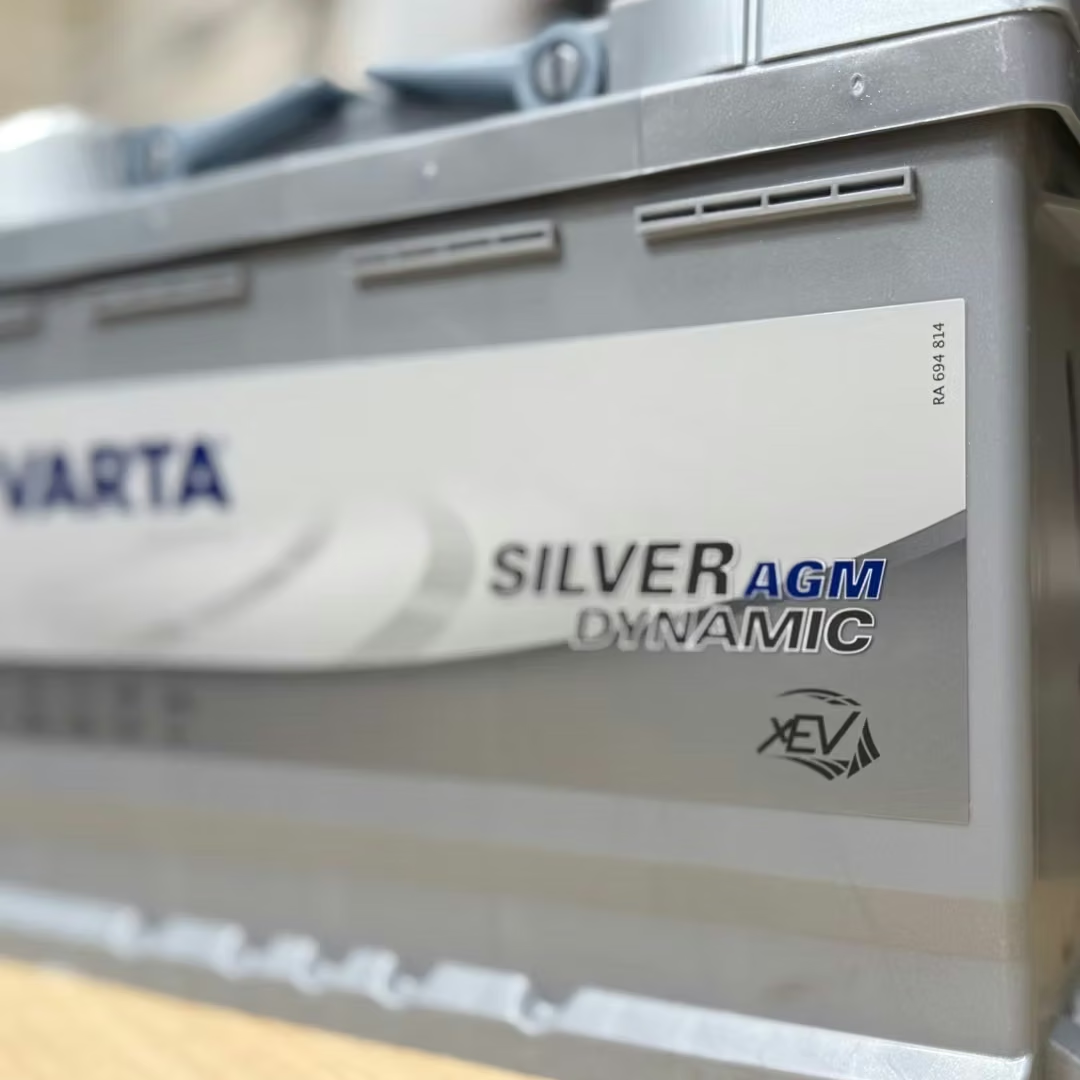
Could a failing battery be causing the warning?
Many BMW warning lights and fault messages can be linked to low battery voltage or an ageing battery. Learn how to recognise the signs of battery failure before it leads to electrical faults or unexpected breakdowns.
BMW warning lights and fault messages explained
Modern BMW vehicles use dashboard warning lights and fault messages to alert drivers to developing mechanical or electrical problems. While some alerts relate to minor issues, others can affect your BMW's performance, reliability or safety. Understanding what these warnings mean can help you recognise common causes and understand when further diagnosis is needed.
SOS Call System Failure
An SOS Call System Failure message usually indicates a fault in the emergency call system or another connected electrical system. Common causes include a weak battery, software issues or a fault with the communication module. In some cases, the warning may clear after a system reset, but recurring faults typically require manufacturer-level diagnostics to identify and fix the underlying issue.
DSC failure
The Dynamic Stability Control (DSC) system helps maintain traction and stability by monitoring wheel speed and vehicle movement. A DSC failure warning is commonly linked to faulty wheel speed sensors, steering angle sensors, ABS components or low battery voltage. These faults can reduce traction control and stability assistance, affecting your BMW's driving experience.
Parking Light Failure
A Parking Light Failure warning usually indicates that one of the parking light bulbs has failed. However, damaged wiring, a faulty light control module or incompatible LED replacements can also trigger the message. This fault is commonly reported in the BMW 3 Series, but it can occur across other BMW models as well.
Check Engine Light and other important warning lights
The Check Engine Light is one of the most common dashboard warnings in BMW vehicles and can indicate a wide range of mechanical or electrical problems. Other important warning lights include the oil pressure, battery, coolant temperature, and brake system warnings. Manufacturer-level diagnostics are the most effective way to identify the cause before the correct repair is carried out.
How much do common BMW repairs cost?
The cost of repairing a BMW depends on the model, the affected component and the extent of the damage. Minor repairs, such as replacing a sensor or gasket, are generally less expensive than major engine, transmission or cooling system repairs.
At BM Tech, we begin with a thorough diagnosis to identify the root cause of the issue before providing a clear, transparent quote. No repair work is carried out until you've approved the recommended solution.
How to prevent BMW issues early
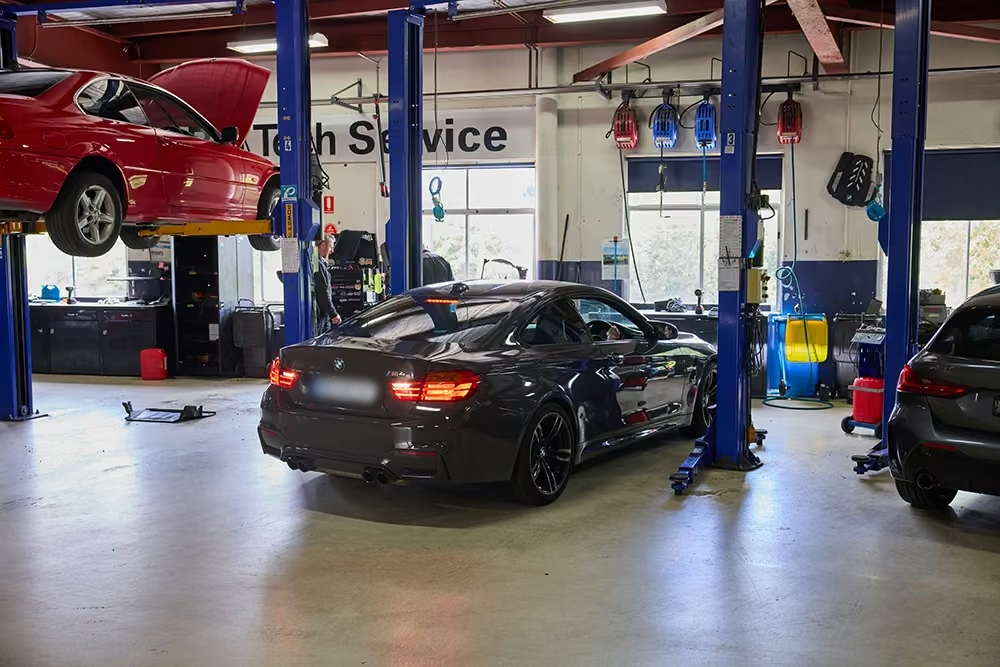
BMWs are known for their performance, but regular maintenance can help reduce common issues and keep your BMW running at its best. These simple habits can improve performance and reliability while reducing the risk of unexpected repairs.
- Stay on top of servicing: Routine BMW servicing, including oil changes and inspections, helps reduce wear and tear while identifying mechanical problems early.
- Monitor the cooling system: Check coolant levels and have the water pump, thermostat and radiator inspected regularly to help prevent overheating.
- Don't ignore warning lights: Early detection makes it easier to address developing issues before they require more costly repairs.
- Use quality replacement parts: OEM or genuine-quality parts help maintain your BMW's performance, reliability and long-term durability.
- Choose a BMW specialist: An experienced BMW mechanic or BMW repair shop has the expertise and diagnostic equipment to accurately diagnose issues in BMW vehicles.
Get a professional BMW service today
Preventative maintenance is the best way to reduce unexpected repairs and extend the life of your BMW. Book a service with BM Tech to identify potential issues early and keep your vehicle performing at its best.
Why choose BM Tech for BMW repairs?
BMWs deserve specialist care from technicians who understand the brand's engineering and technology. At BM Tech, we combine manufacturer-level diagnostics with transparent advice to help keep your BMW performing at its best.

BMW specialists, not general mechanics
Our technicians work exclusively on European vehicles, giving them the experience to accurately diagnose and repair common BMW faults.

Transparent pricing, no surprises
We first identify the root cause of the problem, then provide a clear, upfront quote before any repair work begins.

Warranty-safe servicing
We service your BMW according to the manufacturer's requirements using OEM or genuine-quality parts, helping protect your new car warranty.

Better value with personalised service
Enjoy dealership-quality BMW servicing and repairs with a consistent team that knows your vehicle's history, often at a more competitive price than a dealership.
Frequently asked questions
Find answers to common questions about BMW reliability, maintenance and repairs.
Do all BMW models have common problems?
Yes. Different BMW models can experience different issues depending on their age, engine and maintenance history. Common BMW problems include cooling system failures, oil leaks, timing chain wear on some engines, transmission issues and electrical faults. Regular servicing and early diagnosis can help reduce the risk of major repairs.
Which BMW models are most reliable?
Reliability varies between BMW models and engine generations. A well-maintained BMW with a complete service history is generally more reliable than one that has missed routine maintenance. If you're considering buying a used BMW, a pre-purchase inspection can help identify existing or potential issues.
Can I fix common BMW problems myself?
Simple tasks like checking oil levels, topping up coolant or replacing wiper blades can often be done at home. However, most modern BMWs use advanced electronics and specialised systems, so faults are best diagnosed and repaired by an experienced BMW specialist.
How often should a BMW be serviced?
Most BMWs should be serviced according to the manufacturer's recommended schedule, although vehicles driven in heavy traffic or harsh conditions may benefit from more frequent inspections. Routine servicing helps keep your BMW running at its best and can identify problems before they become costly repairs.
When should a BMW owner see a mechanic?
If you notice warning lights, unusual noises, fluid leaks, poor performance or changes in how the vehicle drives, it's best to book an inspection as soon as possible. Addressing problems early often prevents further damage and helps maintain your BMW's performance and reliability.
Book your BMW service with confidence
Contact BM Tech for expert diagnostics, transparent advice and dealership-quality servicing tailored to your vehicle.
Table of contents