


Key Takeaways
- Dashboard warning lights tell you when your vehicle needs attention, ranging from routine maintenance reminders to serious mechanical faults.
- Red warning lights require immediate action, while yellow warning lights should be checked as soon as possible to prevent further damage.
- If you're unsure what a warning light means, a professional diagnostic inspection can identify the cause before it becomes a costly repair.
What do dashboard warning lights mean?
Dashboard warning lights are your car's way of telling you something needs your attention. Some simply let you know a feature is switched on, while others warn of a problem that should be checked as soon as possible.
Understanding what your car dashboard warning lights mean can help you avoid bigger problems and keep your car running safely. Whether it's the check engine light, battery warning light or brake warning light, knowing what to do next can save you time, money and unnecessary stress.
If you drive a BMW, MINI, Audi or Volkswagen, don't ignore a warning light, even if the car seems to be driving normally. Modern European vehicles can detect faults early, giving you the chance to fix them before they become more expensive repairs.
Prevent warning lights before they appear
Regular servicing helps identify minor issues before they trigger dashboard warning lights or turn into costly repairs.
What do dashboard warning light colours mean?
The colour of a dashboard warning light gives you a quick indication of how urgent the issue is. While the meaning of each symbol varies, the colour helps you decide whether you can keep driving or if your vehicle needs immediate attention.
- Green or blue
- Yellow or amber
- Red
Green or blue warning light
Green and blue lights indicate that a system or feature is operating normally. These commonly include your headlights, indicators, high beam and cruise control. No action is usually required.
Yellow or amber warning light
Yellow or amber warning lights mean your vehicle has detected a fault or requires attention. European vehicles often use advanced sensors to detect issues early, so it's best to have the warning checked before it leads to a more expensive repair.
Red warning light
Red warning lights indicate a serious safety or mechanical issue that needs immediate attention. If it's safe to do so, pull over, switch off the engine and arrange professional assistance. Driving with a red warning light could cause further damage or compromise your safety.
Common car dashboard warning lights and what to do

Your vehicle's dashboard can display dozens of different symbols, but some warning lights appear far more often than others. Here's what the most common car dashboard warning lights mean and what you should do if one appears.
Check engine warning light
A check engine warning light means your vehicle has detected a fault with the engine, emissions or engine management system. It could be something simple, like a loose fuel cap, or a more serious issue affecting performance. If the light is steady, check that your fuel cap is secure and monitor how the car is driving. If the light flashes or the vehicle is running poorly, stop driving when it's safe.
Brake warning light
A brake warning light usually indicates a problem with the brake system, such as low brake fluid level, worn brake pads, or another fault. First, make sure the handbrake is fully released. If the light stays on or your brakes don't feel normal, avoid driving until the issue has been checked.
ABS warning light
An ABS warning light indicates a fault with the anti-lock braking system. Your normal brakes should still work, but the ABS may not activate during emergency braking or on slippery roads. Drive more cautiously, leave extra stopping distance and have the system checked when you can.
Oil pressure warning light
An oil pressure warning light means your engine isn't receiving enough oil pressure to lubricate its moving parts. Continuing to drive can cause severe engine damage within minutes. Pull over safely, switch off the engine and don't restart it until the problem has been identified.
Engine temperature warning light
An engine temperature warning light or coolant temperature warning means your engine is overheating. Pull over safely, switch off the engine and allow it to cool before checking the coolant level. Never remove the radiator cap while the engine is still hot. Learn more about the common causes of overheating in our guide.
Battery warning light
A battery warning light usually indicates a charging system fault rather than a faulty battery. Reduce unnecessary electrical loads, such as air conditioning or heated seats, as your vehicle may be running on battery power alone. If possible, drive directly to a workshop before the car battery dies.
Tyre pressure warning light (TPMS)
A tyre pressure warning light means one or more tyres are underinflated or the monitoring system has detected a fault. Check your tyre pressures as soon as possible and inspect the tyres for punctures or visible damage. Inflate the tyres to the recommended pressure before continuing your journey.
Airbag warning light
An airbag warning light indicates a fault with the airbag or seatbelt restraint system. Your vehicle will usually drive normally, but the airbags may not operate correctly in a collision. Avoid putting off repairs, as this is an important safety system.
Traction control warning light
A traction control light may flash briefly when the system is helping maintain grip, especially on wet or slippery roads. If it stays on continuously, the system may not be working properly. Drive carefully, particularly in poor weather, until the fault has been checked.
Car with a spanner symbol
A car with a spanner symbol usually means your vehicle is due for servicing or has detected a fault that requires attention. If the car is driving normally, you can usually continue your journey, but don't ignore the reminder. Check your owner's manual to see what the warning means for your model.
Car with a lock symbol
A car with a lock symbol relates to your vehicle's immobiliser or security system. If the light stays on after starting the engine or flashes unexpectedly, try using your spare key if you have one. If the vehicle still won't start, the immobiliser or key may need attention.
Exclamation mark warning light
An exclamation mark warning light can indicate several issues, including low tyre pressure, a brake system fault, or another general fault. Check the information displayed on your dashboard or infotainment screen, as many vehicles provide additional details about the warning.
Learn more about car battery warning lights
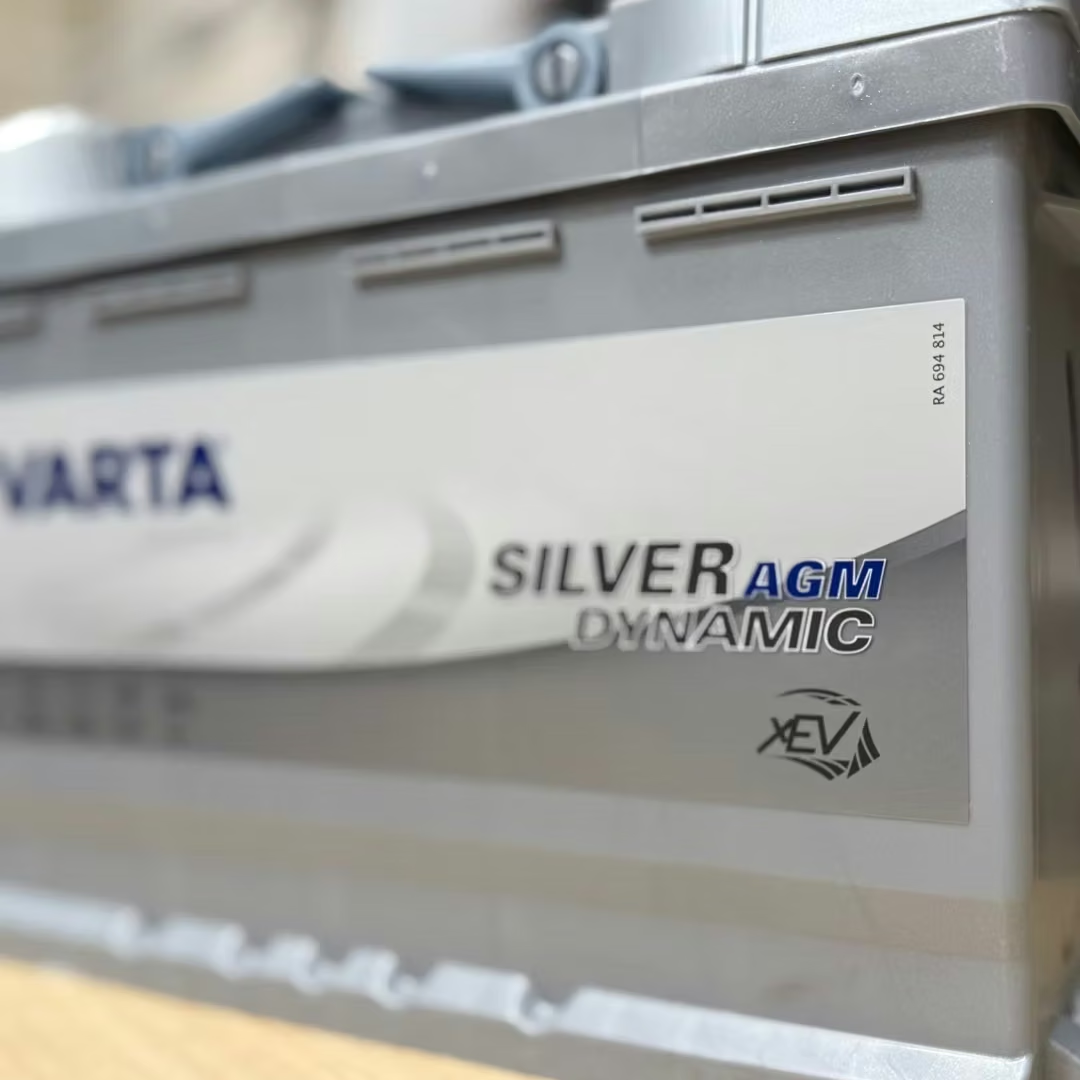
A battery warning light doesn't always mean you need a new battery. It can also indicate a problem with the alternator, charging system or electrical connections. Read our guide to understand the common causes, warning signs and what to do next.
Can you keep driving with a warning light on?
The short answer is: it depends on the warning light. Green and blue lights usually indicate that a feature is operating normally, while yellow lights mean your vehicle needs attention soon. Red warning lights signal a serious issue and should never be ignored.
Ignoring a warning light is more common than you might think. An iSelect survey of more than 3,000 Australian drivers found that over one in 20 admitted to ignoring dashboard warning lights, despite the potential safety risks.
As a general guide:
- Green or blue: Safe to continue driving.
- Yellow or amber: Drive with caution and arrange an inspection as soon as possible.
- Red: Pull over when it's safe, switch off the engine if necessary and seek professional assistance.
If you're unsure what a dashboard light means, don't take the risk. A quick diagnostic inspection can identify the fault before it turns into a more expensive repair or leaves you stranded.
What to do when a dashboard warning light appears
When a light appears on your dashboard, don't ignore it or assume it will go away on its own. Whether it's one of the important dashboard warning lights, a red light, or a service reminder, taking the right steps can help prevent further damage and keep you safe on the road.
- 01
Identify the warning light
Take a moment to identify which dashboard symbol has appeared. Many modern vehicles display a message explaining what the symbols on your car's dashboard mean, while your owner's manual can provide additional information. Knowing whether it's an engine, ABS, airbag, lock, spanner or brake warning light will help you decide what to do next.
- 02
Check how your vehicle is responding
Pay attention to how the car feels to drive. If you notice unusual noises, reduced power, smoke, overheating, or the brake warning light is illuminated, pull over somewhere safe. If the ABS warning light comes on by itself and the vehicle is otherwise driving normally, you can usually continue driving with extra care until the issue is checked.
- 03
Check for simple causes
Some common car warning lights have simple explanations. Check that your fuel cap is secure, inspect your tyre pressures and look for any obvious signs of leaks or damage. If you're dealing with an oil pressure or coolant warning, don't continue driving, as the warning light can lead to severe engine damage if ignored.
- 04
Monitor the warning light
Some warning lights disappear after the issue has been resolved. If the warning light goes out and doesn't return, continue to monitor your vehicle over the next few trips. If the light remains illuminated on your dashboard or comes back on, the underlying fault may still be present.
- 05
Know when to seek professional help
If you're unsure what the warning means, if a red light stays on, or if the vehicle isn't driving normally, don't take unnecessary risks. It's safer to take your car to a trusted European vehicle specialist who can identify the fault and recommend the right repair before it becomes a bigger problem.
What dashboard warning lights don't tell you
Dashboard warning lights are designed to alert you that something needs attention, but they don't always tell you exactly what's wrong. The same warning light can have several possible causes, and the severity of the problem can vary from one vehicle to another.
For example, a check engine light could be triggered by a loose fuel cap, a faulty sensor or a more serious engine fault. That's why it's important not to rely on the warning light alone. If the cause isn't obvious or the light stays on, a professional diagnostic scan is the best way to identify the underlying issue.
How to check if your dashboard warning lights are working
Most dashboard warning lights perform a self-check every time you start your vehicle. When you turn the ignition on, you should see several warning lights briefly illuminate before switching off once the engine starts. This shows that the bulbs or LEDs and monitoring systems are working correctly.
If a warning light doesn't appear during this self-check, stays on after the engine starts or fails to respond when a fault is present, there may be an issue with the light itself or the system it's monitoring. If you're unsure whether your dashboard is operating correctly, have it inspected to ensure important warning lights will alert you when they should.
Don't ignore dashboard warning lights
Dashboard warning lights are designed to alert you early when something isn't right. While some indicate a minor issue, others can signal a serious fault that requires immediate attention. Understanding what each warning light means and knowing how to respond can help you avoid unnecessary breakdowns and expensive repairs.
If a warning light stays on, keeps coming back, or you're unsure what it's trying to tell you, don't leave it to chance. The experienced technicians at BM Tech use dealer-level diagnostic equipment to accurately identify faults on BMW, MINI, Audi and Volkswagen vehicles, so you can get back on the road with confidence.
Frequently asked questions
What types of dashboard warning lights are serious?
Red dashboard warning lights are generally the most serious because they often indicate a safety or mechanical issue that needs immediate attention. Examples include low oil pressure, engine overheating and some brake system faults. If a red warning light appears, pull over when it's safe and check your owner's manual before continuing to drive.
Are dashboard warning symbols the same across all car brands?
Many dashboard warning symbols are standard across different manufacturers, so you'll recognise common warnings like the check engine, battery and oil pressure lights. However, some brands display additional symbols or provide more detailed messages. Always refer to your owner's manual for information specific to your vehicle.
Book a dashboard diagnostic for your European car
BM Tech specialises in diagnosing and repairing BMW, MINI, Audi and Volkswagen vehicles using dealer-level diagnostic equipment. Book a diagnostic inspection today and let our experienced technicians identify the problem before it leads to a more expensive repair.
Table of contents