

Key Takeaways
- Engine oil naturally breaks down over time and loses its ability to protect your engine.
- Dirty engine oil can increase wear, reduce performance and shorten engine life.
- Delaying an oil change may lead to sludge build-up, overheating and costly repairs.
- Following your manufacturer's servicing schedule helps keep your engine performing at its best.
- Regular servicing ensures your vehicle receives the correct oil and ongoing maintenance.
Why regular oil changes matter
Engine oil does much more than lubricate moving parts. It helps reduce friction, carries heat away from critical engine components and keeps contaminants suspended until they're removed during an oil change. Together, these functions help protect your engine and maintain reliable performance.
Over time, engine oil naturally breaks down and becomes contaminated by heat, combustion by-products and everyday driving. As it loses its protective properties, engine wear can increase, reducing efficiency and potentially leading to costly repairs. Regular oil changes help keep your engine clean, properly lubricated and performing as intended.
Get your oil changed by a European car specialist!
Regular oil changes help reduce engine wear and keep your European vehicle performing at its best. Book a professional service with BM Tech to ensure your European vehicle receives the correct oil and expert care.
Signs your engine oil needs changing
Engine oil is designed to withstand high temperatures and demanding conditions, but it doesn't last forever. Heat, contaminants and everyday driving gradually reduce its effectiveness, making regular oil changes an essential part of preventative maintenance.
Engine oil doesn't stop working overnight, but it does become less effective over time. Recognising the early warning signs can help you schedule an oil change before poor lubrication affects engine performance or causes unnecessary wear.

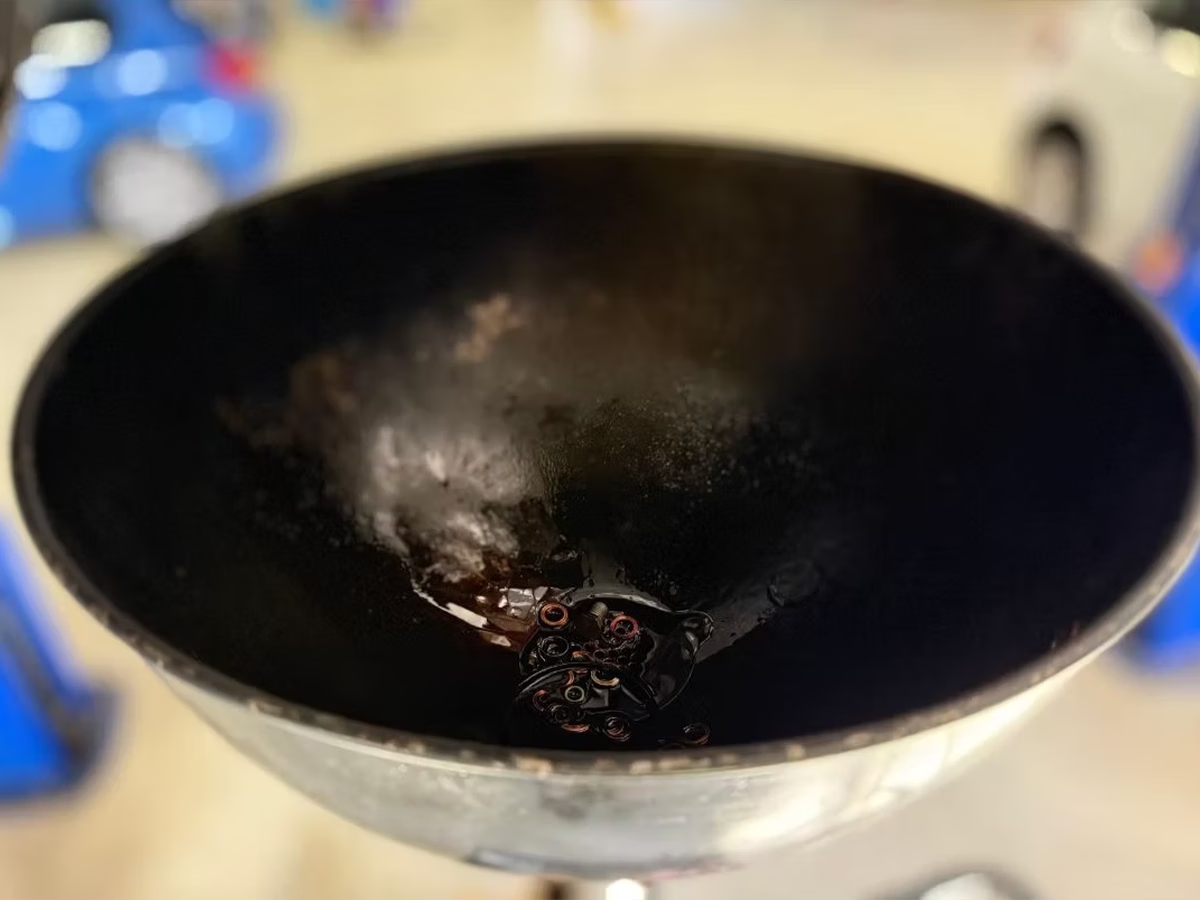
Dirty or dark engine oil
Fresh engine oil is typically clear and amber in colour, while older oil becomes darker as it collects contaminants from normal engine operation. Although dark oil isn't always a problem on its own, thick, dirty or gritty oil may indicate it's time for a change.

Increased engine noise
Engine oil creates a protective film between moving components to reduce friction. As the oil breaks down, this protection decreases, and you may notice the engine becoming noisier than usual, particularly during startup or acceleration.
.svg)
Oil warning light
An illuminated oil warning light should never be ignored. It may indicate low oil pressure, insufficient oil or another issue affecting engine lubrication. Understanding what your dashboard warning lights mean can help you recognise when it's safe to keep driving and when your vehicle should be inspected.

Burning oil smell inside or outside
A burning oil smell inside or outside the vehicle can indicate that engine oil is leaking onto hot components or that the engine is beginning to overheat. If the smell persists, have your vehicle inspected as soon as possible to prevent further damage.

Reduced engine performance
Old or degraded engine oil can increase friction, forcing the engine to work harder than necessary. You may notice reduced responsiveness, lower fuel efficiency or a rougher driving experience.

It's been too long since your last service
If you can't remember your last oil change, it's probably time to check your service records. Following your manufacturer's recommended service intervals is the most reliable way to protect your engine, even if you haven't noticed any obvious symptoms.
Valve Stem Seals Explained: Symptoms, Failures & Repair Costs
Blue smoke and increased oil consumption aren't always caused by overdue oil changes. Learn how worn valve stem seals can affect engine performance and when professional repairs may be needed.
What determines how often you need to change your oil?
Engine oil doesn't wear out at the same rate for every vehicle. Your recommended oil change interval depends on your manufacturer's guidelines, the type of oil used and how you drive. Following the correct schedule helps protect your engine and prevent unnecessary wear.
Follow your manufacturer's service schedule
Most manufacturers recommend changing engine oil after a specific time or distance travelled (every 10,000–15,000 km or every 12 months), whichever comes first. Your owner's manual outlines the correct interval for your vehicle and the oil specification required to maintain performance and reliability.
Driving conditions matter
Frequent short trips, stop-start traffic, towing and extreme temperatures place additional stress on engine oil. If your vehicle is regularly driven under these conditions, it may benefit from more frequent oil changes than the standard service interval.
Use the right engine oil
Many European vehicles require fully synthetic engine oil that meets the manufacturer's specifications. Using the correct oil helps maintain engine performance, protects internal components and supports longer service intervals where recommended.

How to check your engine oil level
Checking your engine oil regularly can help you spot low oil levels or signs that an oil change may be due. The process depends on your vehicle, as many modern European models now use electronic oil monitoring instead of a traditional dipstick.
Checking oil with a dipstick
If your vehicle has a dipstick, park on level ground and allow the engine to cool before checking the oil level. Remove the dipstick, wipe it clean, reinsert it fully and remove it again to check the oil level and condition. If the oil is below the minimum mark or appears thick and contaminated, it's time to arrange a service.
Checking oil without a dipstick
Many modern European vehicles display engine oil levels through the infotainment system or instrument cluster. Your owner's manual explains how to access this feature and the conditions required for an accurate reading.
While electronic monitoring makes checking engine oil more convenient, it's still important to understand how your vehicle works. A Budget Direct survey found that more than 70% of Australians know how to perform a basic oil and water check on their car engine, highlighting the importance many drivers place on routine maintenance.
If you're unsure how to check your engine oil or your vehicle reports a low oil level, have it inspected by a qualified technician. Using the correct oil type and maintaining the proper oil level are essential for protecting your engine.
Why choose BM Tech for your next car service?
Regular oil changes are one of the simplest ways to keep your car running reliably, but using the right products and following the proper service procedures are equally important. At BM Tech, we tailor every service to your vehicle, using manufacturer-approved oils and quality parts to ensure your engine gets exactly what it needs.

Specialists in European vehicles
European vehicles have unique servicing requirements, from oil specifications to service intervals. Our experienced technicians understand the needs of BMW, MINI, Audi and Volkswagen models, ensuring your car receives the right care every time.

Manufacturer-approved oils and quality parts
Not every motor oil is suitable for every vehicle. We use manufacturer-approved oils and high-quality oil filters that meet your vehicle's specifications, helping protect your engine from premature wear and oil degradation.

Servicing tailored to your vehicle
Every car is different, which is why we don't take a one-size-fits-all approach. Whether it's time to change your oil, replace the oil filter or complete a scheduled service, we'll recommend the work your vehicle actually needs—nothing more.

Honest advice and transparent pricing
If we identify an issue with your oil or another maintenance concern, we'll explain our findings clearly before any work begins. You'll receive honest recommendations, upfront pricing and the confidence that your vehicle is in experienced hands.
Frequently asked questions
How long can a car go without an oil change?
Most manufacturers recommend changing your engine oil every 10,000–15,000 km or every 12 months, whichever comes first. However, if you regularly drive in stop-start traffic, make frequent short trips or tow heavy loads, you may need an oil change sooner. Always follow the service schedule in your owner's manual.
How much does a diesel engine oil change cost in Australia?
A diesel engine oil and filter change typically costs between $250–$500+, depending on the vehicle, the amount of oil required and the manufacturer's specifications. European diesel vehicles often require premium fully synthetic oils and specialised oil filters, which can increase servicing costs compared to standard passenger vehicles.
What causes poor engine oil flow?
Poor oil flow can result from low oil levels, a clogged oil filter, sludge build-up, a failing oil pump or incorrect engine oil viscosity. Restricted oil flow reduces lubrication and may cause increased engine noise, warning lights or accelerated engine wear. Prompt diagnosis can help prevent more serious damage.
What engine oil should I use for a diesel European vehicle?
Always use an oil approved by your vehicle manufacturer, not just the recommended viscosity. Many European diesel vehicles require ACEA C3 or manufacturer-specific approvals such as BMW Longlife-04, Volkswagen 504.00/507.00 or Mercedes-Benz 229.51/229.52. Using the wrong oil can affect engine protection, fuel economy and emissions system performance.
Book your next oil service
Whether your vehicle is due for an oil change or you're concerned about engine performance, the team at BM Tech can recommend the right service for your BMW, MINI, Audi or Volkswagen.
Table of contents