
Key Takeaways
- Modern MINI models combine BMW engineering with distinctive styling, while classic Minis continue to appeal to collectors and enthusiasts.
- Choosing the right MINI depends on your budget, lifestyle and whether you prefer a modern MINI Cooper or a classic model.
- A complete service history, independent inspection and thorough test drive can help you avoid costly surprises when buying a used MINI.
- Understanding ownership costs, maintenance requirements and common issues will help you budget for long-term MINI ownership.
- Following MINI's recommended maintenance schedule and addressing issues early can keep your MINI performing at its best for years to come.
Thinking about buying a MINI?
There's a reason the MINI has remained one of the world's most recognisable small cars. Combining iconic design with agile handling and premium engineering, it's a vehicle that appeals to everyone from first-time European car buyers to lifelong enthusiasts and collectors.
Whether you're buying your first MINI or adding another to the garage, understanding the different models, ownership costs, and maintenance requirements will help you choose the right vehicle. This guide covers everything from buying advice and common issues to servicing and long-term ownership.
Buy your next MINI with greater peace of mind
A specialist pre-purchase inspection can uncover hidden issues before you commit, helping you make a more informed buying decision and avoid unexpected repair costs.
What makes MINI unlike any other small car?
MINI has built its reputation on more than its iconic appearance. From its distinctive design to its BMW engineering, every MINI is designed to deliver a driving experience that's both engaging and practical. Here are some of the defining features that set the brand apart.
Key features
- Distinctive styling that's instantly recognisable
- Responsive "go-kart" handling
- BMW engineering and technology
- Diverse range of MINI models
- Rich heritage and passionate owner community

Distinctive design with timeless appeal
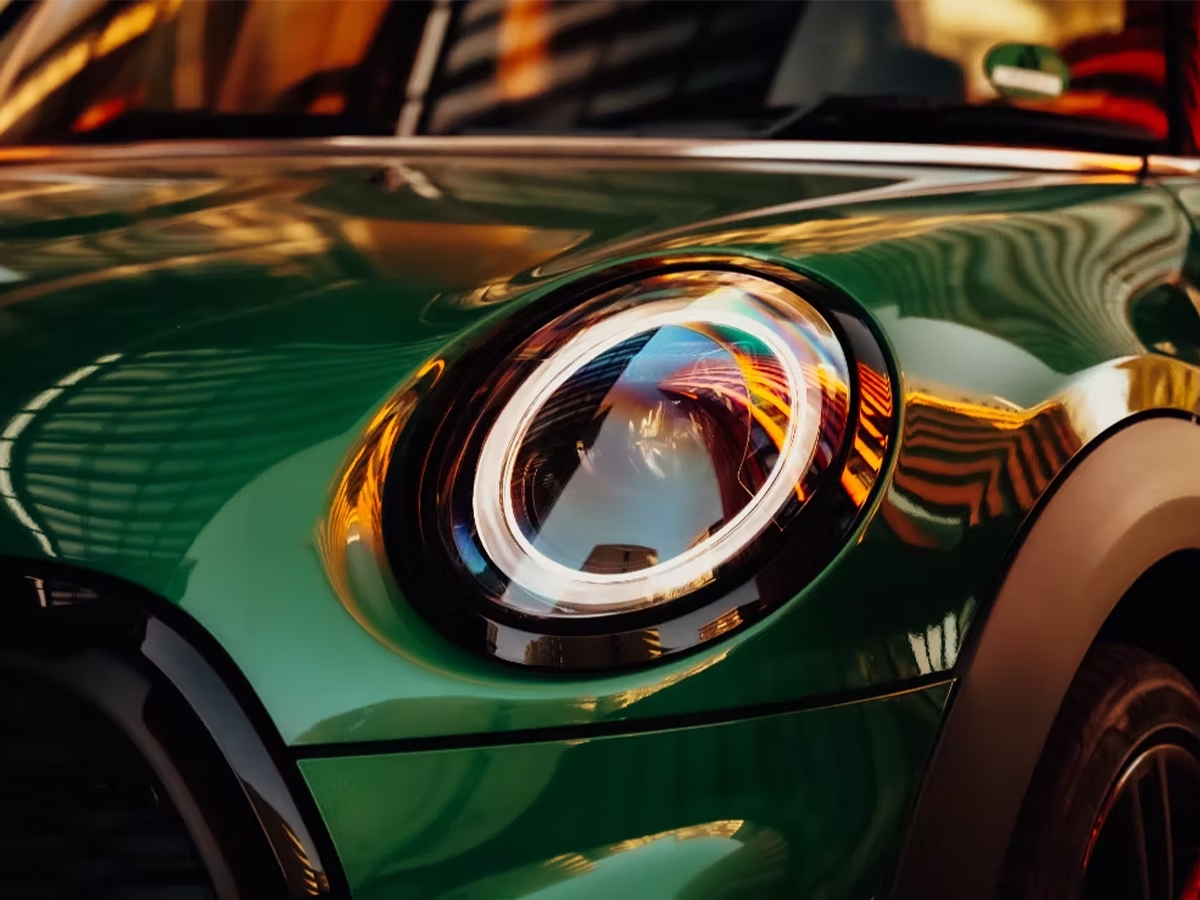
From the original Austin Mini to today's MINI Cooper, the brand has retained its unmistakable design language. Compact proportions, rounded headlights and customisable finishes have helped MINI remain one of the world's most recognisable small cars.

Go-kart-inspired handling
MINIs are renowned for their agile, responsive handling, delivering the "go-kart" driving experience the brand is famous for. Their compact dimensions, precise steering and balanced chassis make every drive engaging, while also offering a practical advantage in Australia's increasingly busy cities. Whether you're navigating tight streets, heavy traffic or narrow parking spaces, a MINI is often easier to manoeuvre than larger SUVs or utes.

BMW engineering
Modern MINI models are built using BMW Group engineering, combining premium materials, advanced safety systems and innovative technology. This shared platform contributes to the refined driving experience and supports long-term performance when maintained correctly.

Various MINI models for every lifestyle
Today's range extends well beyond the classic hatchback. Whether you're considering a MINI Hatch, Countryman, Clubman, Convertible or a John Cooper Works model, there's a reliable MINI designed to suit different lifestyles, driving preferences and budgets.
The breadth of the range continues to resonate with buyers worldwide. In 2025, MINI delivered more than 288,000 vehicles globally, with the Cooper family remaining the brand's best-selling model line and the Countryman accounting for almost one-third of total sales.

A heritage that continues to evolve
Originally developed by the British Motor Corporation (BMC) in 1959, the Mini quickly became a motoring icon thanks to its innovative design and compact footprint. Today's MINI Cooper models have evolved with modern engineering and technology while retaining their character. It's a legacy that continues to attract MINI enthusiasts around the world, from collectors restoring classic models to drivers discovering the brand for the first time.
Guide on choosing a MINI to buy
Whether you're buying your first MINI or adding another to your collection, the right choice depends on how you plan to use the car. From modern MINI Coopers built for everyday driving to the original Mini prized by collectors, each model offers a different ownership experience.
MINI Hatch: The iconic all-rounder
The MINI Hatch remains the benchmark for everyday MINI ownership. Compact, agile, and available with a range of engine options, it's an excellent choice for drivers who want the classic MINI experience with modern comfort, technology, and safety. If you're considering a used MINI, the Hatch is often the easiest model to find and one of the most practical to own.
MINI Countryman: More space, same personality
If you need more interior space without sacrificing MINI's distinctive character, the Countryman is a strong option. It offers improved practicality for families, commuters and weekend adventures while retaining the responsive handling the brand is known for.
MINI John Cooper Works: Built for performance
For drivers seeking sharper performance, MINI Cooper John Cooper Works models deliver a more powerful engine, a sport-tuned suspension, and performance-focused styling. They suit enthusiasts seeking a more engaging driving experience while retaining the premium feel expected of a modern MINI.
Classic MINI: A rewarding enthusiast's car
Buying a classic MINI is a different experience from buying a modern vehicle. Early models, including those produced as the Austin Seven and Morris Mini-Minor by the British Motor Corporation (BMC), are highly sought after by collectors and MINI enthusiasts. Whether fitted with a 998cc engine or the more powerful 1275 cc variant, condition and originality are usually more important than specifications alone. Check carefully for rust, previous restoration work and parts availability before you buy.
How much should you budget?
Your budget will largely determine which MINI is right for you. While older used MINI Coopers can be an affordable entry into European car ownership, newer models with lower kilometres, desirable specifications and a complete service history naturally command higher prices.
If you're considering a classic MINI, remember that purchase price is only one part of the investment. Restoration work, parts availability and ongoing maintenance should also be factored into your budget.
Your MINI buying checklist
Whether you're buying a modern MINI Cooper or a classic model, taking a structured approach can help you avoid costly surprises. This checklist highlights the key areas to inspect before committing to a car purchase.
- 01
Match the MINI to your needs
Before inspecting any vehicle, think about how you'll use it. A MINI Hatch suits everyday commuting, while a Countryman offers greater practicality. If you're considering a classic MINI or project car, be prepared for different ownership and maintenance needs.
- 02
Review the service history
A complete maintenance record is one of the strongest indicators of a well-maintained MINI. Look for evidence that scheduled servicing has been completed on time, along with invoices for major repairs or replacement parts. If the vehicle has an automatic transmission, confirm it has been serviced according to the recommended schedule, where applicable.
- 03
Inspect the vehicle carefully
Walk around the vehicle and inspect the bodywork for accident repairs, uneven paint or corrosion. If you're buying a classic MINI, pay close attention to rust around the sills, floorpan, door hinges and subframes. Inside the cabin, check that the controls, electronics and rear seat mechanisms are operating correctly.
- 04
Take a thorough test drive
A MINI should feel responsive and go-kart-like to drive. Listen for unusual noises, check that the gearbox shifts smoothly and watch for dashboard warning lights during the drive. If anything doesn't feel right, arrange a specialist inspection before purchasing.
- 05
Arrange an independent inspection
Use a MINI specialist who understands brand-specific engineering and maintenance.
- 06
Verify the paperwork
Confirm the vehicle identification details, ownership history and supporting documentation before completing the purchase. For added peace of mind, combine your inspection with a PPSR check to identify any outstanding finance, theft records or written-off history.
What every MINI buyer should know
MINIs are known for their distinctive character and engaging driving experience, but buying the right one means looking beyond appearance alone. Whether you're considering a modern MINI Cooper or a classic car, understanding the vehicle's history, condition and maintenance requirements can help you make a smarter long-term investment.
A good service history is worth more than low kilometres
A MINI in good condition with a complete maintenance history is often a better purchase than one with lower kilometres but little documentation. Look for evidence of routine servicing, repairs and any major work completed on the engine and transmission. A well-documented history is one of the strongest indicators that the vehicle has been properly cared for.
Every generation has different ownership considerations
Modern MINI models benefit from BMW engineering and contemporary automotive technology, while classic models built under BMC and later Rover ownership require a different approach. If you own a classic, factors such as the year of production, originality and previous restoration work are just as important as mechanical condition.
Don't overlook the small details
During your inspection, look for oil leaks, dashboard warning lights, uneven panel gaps and signs of previous accident repairs. For classic MINIs, pay close attention to rust around the sills, floorpan, wheel arches and concealed door hinges, as corrosion in these areas can be expensive to repair.
Specialist knowledge makes a difference
MINIs have evolved significantly since the first generation models built between 1959 and 1967, from the Austin Se7en and Morris Mini-Minor to today's high-performance Cooper Sport variants. Choosing a workshop or mechanic familiar with MINI engineering helps ensure servicing, diagnostics and repairs are carried out correctly, allowing you to enjoy the unique driving experience the brand is known for.
Buying a second-hand European car? Read this first
Thinking beyond MINI? Whether you're considering a BMW, Audi, Volkswagen or MINI, buying a well-maintained European vehicle starts with knowing what to inspect. Our expert guide explains how to assess service history, identify common warning signs and make a more informed purchase before you commit.
What MINI Owners should know about maintenance
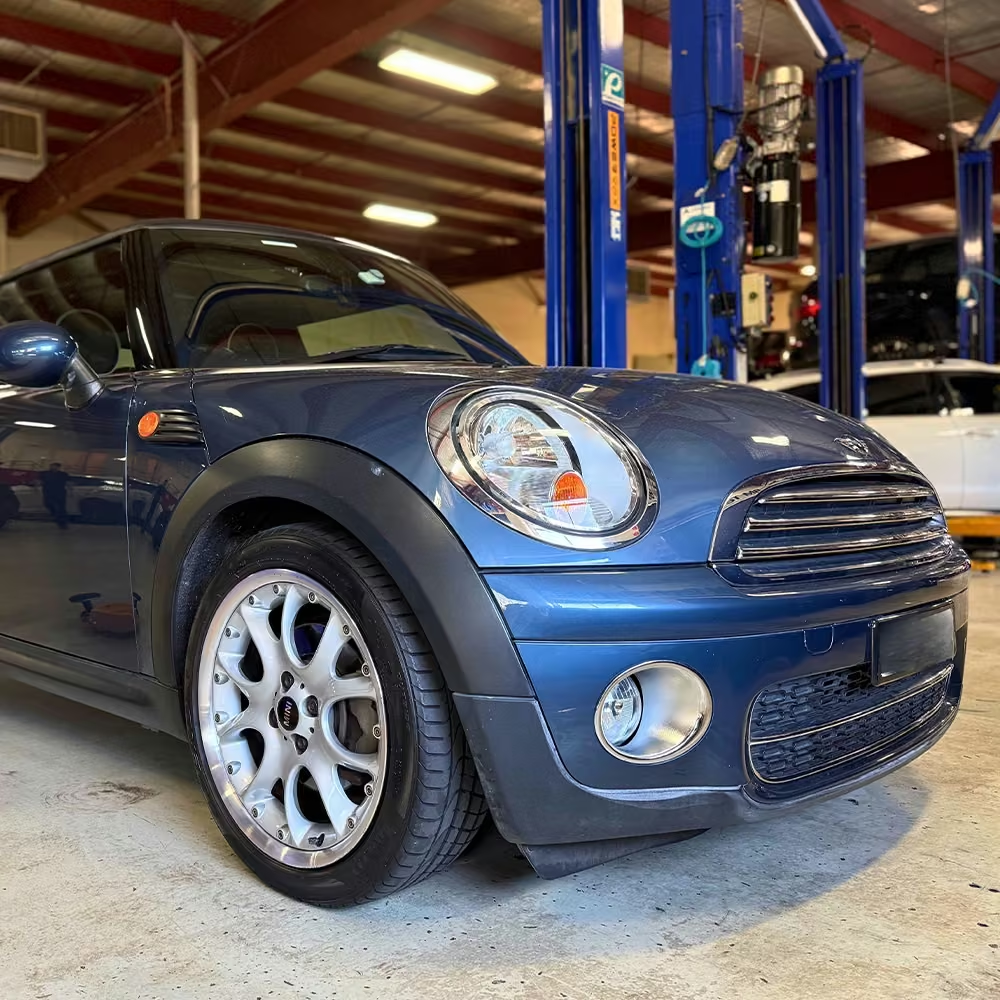
Owning a MINI is generally comparable to other premium European vehicles. While routine servicing is predictable, larger maintenance items become more expensive as the vehicle ages. The key is understanding what to budget for before you buy.
Indicative costs only. Prices vary depending on the MINI model, age, required parts and labour rates.
Budget for common maintenance
Routine servicing is one of the easiest ownership costs to plan for. Most MINI owners can expect to spend around $400–$700 on a scheduled service, depending on the model and what's included. Keeping up with routine maintenance helps avoid more expensive repairs later.
Avoid unexpected repair costs
As your MINI gets older, additional maintenance items such as brakes, spark plugs, filters and fluids become due. Major services typically cost between $900 and $1,500, while repairs involving the engine or transmission can be significantly higher if maintenance has been delayed.
Newer MINIs and classic cars have different needs
If you're buying a newer MINI, check whether it's covered by MINI Service Inclusive or an extended warranty. If you own a classic car, particularly a Rover or first-generation MINI, factor in the availability of parts, specialist labour and restoration work when budgeting for long-term ownership.
Practicality matters as much as purchase price
The cheapest MINI isn't always the best value. A well-maintained vehicle with a complete service history often costs less to own than a cheaper example needing immediate repairs.
In our experience as a trusted European car specialist, it's worth paying more upfront for a MINI in good condition than paying to catch up on years of deferred maintenance. If you're considering a supercharged Cooper S or another performance model, remember that servicing and repair costs may also be higher.
Keeping your MINI in top condition
Modern MINIs use Condition Based Servicing (CBS) to monitor key maintenance items and notify you when servicing is due. While reminders vary depending on your driving habits, most MINI models in Australia should be serviced every 12 months or 15,000 km, whichever comes first.
Stay on top of scheduled maintenance
Routine car servicing includes an engine oil and filter change, a vehicle inspection, and essential fluid checks. As your MINI gets older, additional items such as brake fluid (every two years), spark plugs and filters (around 60,000 km) and automatic transmission servicing (where applicable) should also be completed according to the manufacturer's schedule.
Don't ignore your maintenance light
A maintenance light doesn't always signal a fault. More often, it's a reminder that a scheduled service or inspection is due. Servicing should always be completed before the reminder is reset to help maintain your MINI's performance and reliability.
Common MINI issues we identify during servicing
Routine inspections often uncover issues before they become expensive repairs. Some of the most common include:
- Oil leaks from rocker cover gaskets or turbo seals
- Timing chain wear identified through start-up rattles
- Cooling system leaks, including thermostat housing failures
- Electronic faults requiring specialist diagnostics
Preventative maintenance helps detect these issues early, reducing the risk of larger repair bills.
Get more from MINI ownership
Owning a MINI is about more than getting from A to B. With the right vehicle, regular maintenance and specialist care, it can remain reliable, rewarding and fun to drive for years to come.
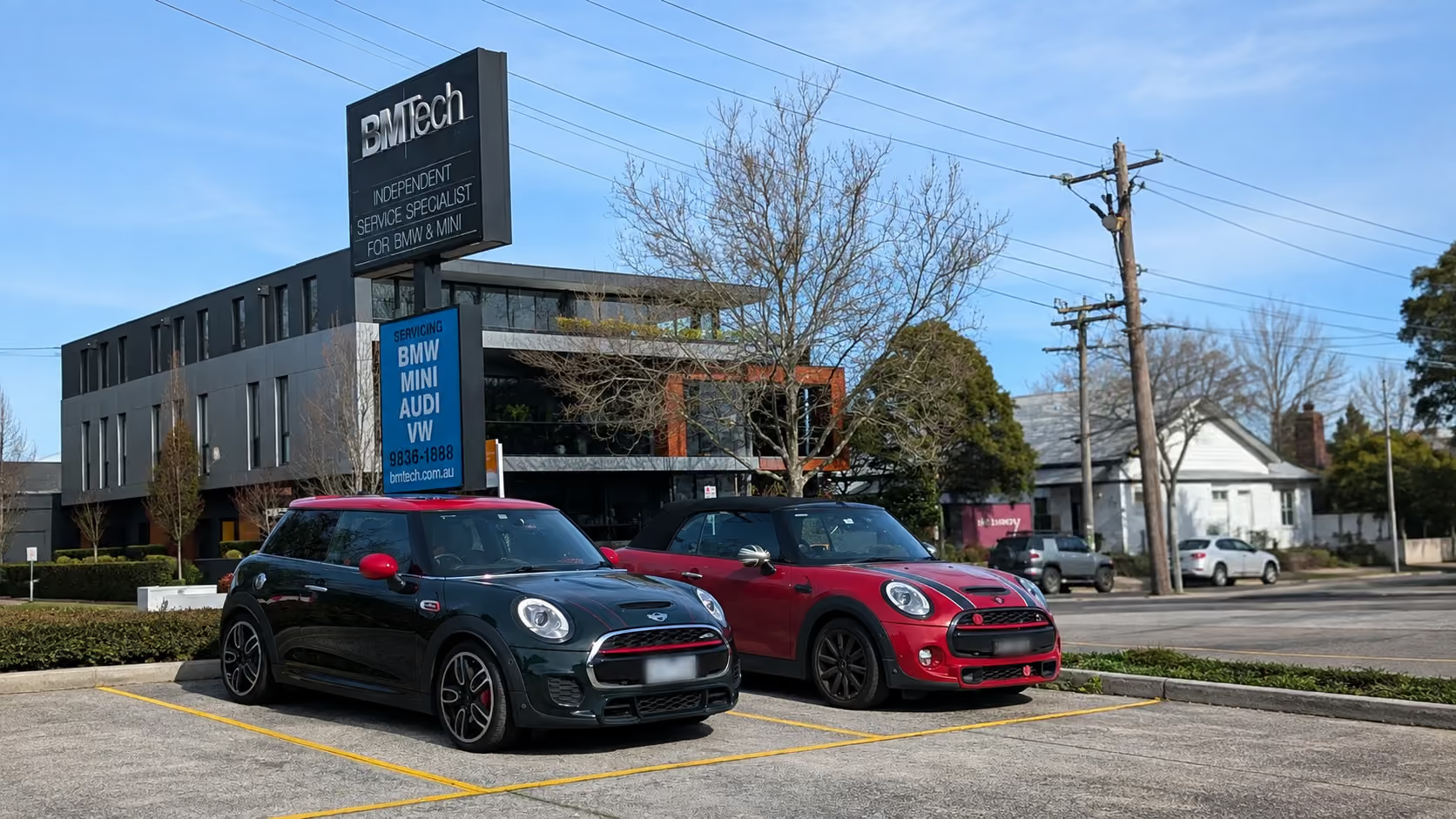
At BM Tech, we've specialised in servicing European vehicles across Melbourne for decades, with extensive experience working on MINI, BMW, Audi and Volkswagen models. Our factory-trained technicians use manufacturer-approved diagnostic equipment and quality parts to accurately diagnose faults, carry out preventative maintenance and keep your vehicle performing at its best.
Whether you're buying your first MINI, considering a classic model, or maintaining a long-term daily driver, we provide independent pre-purchase inspections, transparent advice, and tailored servicing, backed by specialist expertise. Our focus is simple: helping you make informed ownership decisions and enjoy your MINI for years to come.
Frequently asked questions
Are MINI Coopers reliable?
When maintained according to the manufacturer's schedule, MINI Coopers are generally reliable vehicles. A complete service history, timely repairs and specialist servicing all play an important role in helping a MINI perform at its best throughout its ownership.
Can I reset the MINI maintenance light myself?
Most modern MINI models allow the maintenance reminder to be reset through the vehicle's service menu once the required maintenance has been completed. However, the reminder should never be reset without completing the scheduled service, as this can make it harder to maintain accurate maintenance records.Is buying a classic MINI worth it?
For many enthusiasts, absolutely. From the iconic Monte Carlo Rally in 1964 to today's thriving MINI community, classic MINIs remain some of the world's most recognisable small cars. Like any classic vehicle, however, buying the right example and maintaining it properly is essential.
How do I know if a used MINI is roadworthy?
A road test alone isn't enough to confirm a vehicle is roadworthy. Before purchasing, inspect the service history, bodywork, tyres, brakes and suspension, and arrange an independent pre-purchase inspection to identify any mechanical or safety concerns.
Should I use a MINI specialist or a general mechanic?
Because modern MINIs share engineering with BMW vehicles, choosing a MINI specialist can provide access to the correct diagnostic equipment and model-specific expertise. If you're unsure where to find a mechanic, look for a workshop with proven experience servicing European vehicles and a strong reputation among local MINI owners.
Looking for trusted MINI specialists?
Book a pre-purchase inspection, scheduled service or expert repair with Melbourne's independent European vehicle specialists.
Table of contents