
Why do European cars need specialist servicing?
European cars require specialist servicing because they use advanced electronics, manufacturer-specific repair procedures and dealer-level diagnostic equipment. Choosing an experienced European car specialist helps ensure accurate diagnostics, quality repairs and preventative maintenance that protect your vehicle's long-term performance.
Modern European cars are engineered differently from many other vehicles on Australian roads. Brands such as BMW, Audi, Volkswagen and MINI combine sophisticated electronics, specialised components and manufacturer-specific service procedures that require a higher level of expertise than a routine automotive service.
At BM Tech, we specialise in European vehicles and understand the unique requirements of these brands. This guide explains why European car owners choose specialist workshops, what makes European car service and maintenance different, and what to look for when choosing the best European mechanic.
Book a European vehicle inspection with BM Tech
Whether your vehicle is due for a routine service, diagnostics or repairs, our experienced technicians provide dealership-level service tailored to your European car.
What makes European cars different to service?
European brands continue to be among the world's most recognised and best-selling premium manufacturers, reflecting strong demand for their engineering, performance and technology. As these vehicles become increasingly sophisticated, specialist servicing and diagnostics become just as important as the vehicles themselves.
European vehicles are built to exacting engineering standards. While these innovations make them rewarding, they also mean servicing and repairs require specialist knowledge, the right equipment and manufacturer-approved procedures.
Modern European cars rely on advanced electronics
Today's modern European vehicles are equipped with dozens of Electronic Control Units (ECUs) that continuously communicate to manage everything from engine performance and automatic transmissions to braking, steering, and driver-assistance systems.
Rather than operating independently, these ECUs communicate through sophisticated networks. As a result, a fault in one module can trigger warning lights or symptoms in another, making accurate diagnostics essential. This is why experienced European car specialists rely on specialist diagnostic equipment rather than generic scan tools when diagnosing faults.
Manufacturer specifications matter
Servicing a European vehicle involves far more than replacing engine oil or filters. Every manufacturer specifies the correct fluids, service intervals, torque settings and repair procedures for its vehicles.
Using the wrong transmission fluid, incorrect engine oil or unsuitable replacement parts may affect performance, reliability and, in some cases, your new car warranty. Following manufacturer specifications helps ensure your European car receives the level of service it was designed for throughout its life.
European servicing schedules don't always reflect Australian driving
Many modern vehicles now recommend longer service intervals, leading some owners to delay servicing until warning lights appear. While this approach may seem convenient, it doesn't always reflect real-world driving conditions in many regions in Australia.
Frequent short trips, stop-start traffic and warmer temperatures place additional demands on European engines, transmissions and cooling systems. Waiting until a problem develops can turn routine maintenance into a much more expensive repair.
Common servicing mistakes that cost European owners more
Most expensive repairs don't happen overnight. In our experience, they're often the result of small mistakes, delayed servicing or repairs completed without the correct knowledge, equipment or parts. Understanding these common issues can help European car owners avoid unnecessary repair costs.

Performing DIY repairs and maintenance
Rising ownership costs are encouraging more Australians to tackle vehicle maintenance and repairs themselves. According to a Finder survey, around 1 in 5 Australians have performed their own car maintenance to save money.
While checking tyre pressures, topping up washer fluid or replacing wiper blades are reasonable DIY tasks, many repairs on modern European vehicles require specialist knowledge, manufacturer repair procedures and dealer-level diagnostic equipment.
At BM Tech, we've seen vehicles arrive with incorrect transmission fluid, oil filters installed improperly, timing components fitted out of alignment and even critical brake repairs completed using unsuitable materials. In many cases, correcting these mistakes costs significantly more than having the repair completed the first time correctly.

General automotive workshops may miss European-specific issues
Not every workshop services the same range of vehicles. General automotive repair shops often provide excellent service across many makes and models, but European brands frequently have servicing requirements, software procedures, and diagnostic systems that differ from those of other vehicles.
An experienced European specialist understands the common issues unique to BMW, Audi, Volkswagen and MINI vehicles and knows what to inspect before small concerns become larger repairs.

Delaying car services and repairs increases long-term costs
Ignoring a warning light, an unusual noise, or a minor fluid leak may seem like a way to save money, but small issues rarely stay small. Components in modern European vehicles are designed to work together, so a fault in one system can place additional strain on others if left unresolved.
Routine car services, timely diagnostics and preventative maintenance help identify problems before they escalate into major repairs.
Why dealer-level diagnostics matter
Modern European cars create complex data that requires more than a standard scan tool to read. Accurate diagnostics require specialised equipment, dedicated software, and experts who understand how these vehicle systems work together.
A fault code doesn't always reveal the real problem
A dashboard warning light or a stored fault code indicates that the vehicle has detected an issue, but it doesn't always pinpoint the root cause.
For example, a fault related to engine performance may be triggered by a failing sensor, a wiring issue, a software problem, or another interconnected system. Accurate diagnosis requires interpreting the data rather than simply replacing the component named in the fault code.
Modern European vehicles rely on interconnected ECUs
Most modern European vehicles contain between 20 and more than 100 ECUs, depending on the model and specification. These computers control critical systems, including the engine, transmission, ABS, airbags, body electronics and driver assistance features.
Because these systems are all connected, mechanics need to understand how the entire vehicle works, not just the single part showing the error.
Manufacturer-level diagnostics improve accuracy
Professional ECU diagnostics use dealership-level software and specialised diagnostic equipment to access vehicle-specific information that generic scan tools often cannot access. This allows technicians to perform software updates, coding, calibrations and advanced system testing while following manufacturer repair procedures.
Better diagnostics lead to better repairs
Accurate diagnostics reduce unnecessary parts replacement, minimise guesswork, and help identify the underlying cause of a fault sooner. That means less time spent diagnosing problems, more targeted repairs and better long-term reliability for your vehicle.
For European car owners, investing in proper diagnostics often saves both time and money by ensuring repairs are completed correctly the first time.
What European car owners should know about auto parts
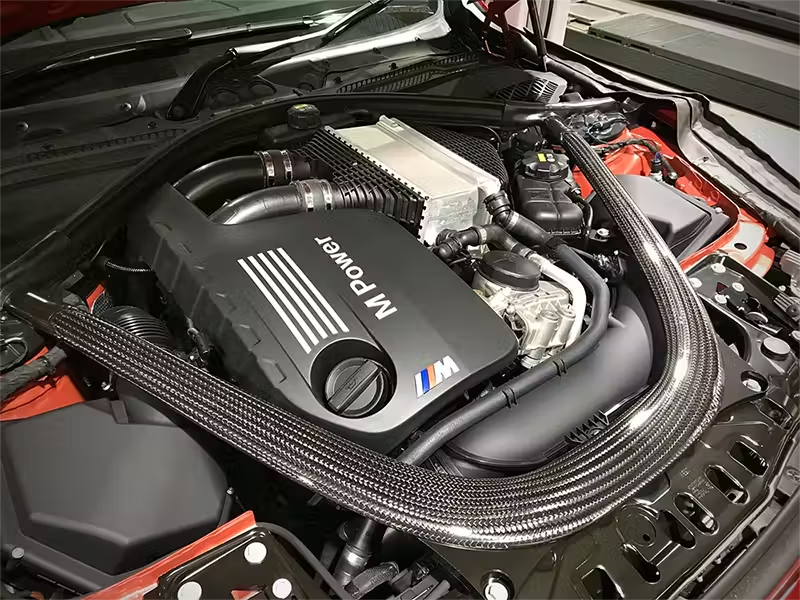
The quality of replacement parts can significantly impact the performance, reliability, and longevity of your European vehicle. While price is often a deciding factor, choosing the right component is just as important as choosing the right European mechanic.
Understanding the differences between genuine, OEM and aftermarket parts helps ensure your car receives repairs that are appropriate for its design and long-term ownership.
Genuine vs OEM vs aftermarket parts
Not all replacement parts are created equal. Genuine parts are supplied by the vehicle manufacturer, while OEM (Original Equipment Manufacturer) parts are produced by the same manufacturer but sold under the OEM's own brand.
Aftermarket parts are made by third-party companies and can vary considerably in quality, fit and performance. An experienced European car mechanic can recommend the most suitable option for each repair.
Choosing quality parts protects your investment
Quality replacement parts are designed to meet the performance and durability standards expected by European manufacturers. Using the correct components can improve reliability, reduce the risk of repeat repairs and help ensure your car continues to perform as intended. It's an investment that often saves money over the long term.
Not every aftermarket part is equal
Aftermarket doesn't automatically mean poor quality. Some manufacturers produce parts that perform exceptionally well, while others may not meet the standards required for modern European models. The key is to select components that have proven reliable and are appropriate for the repair, rather than simply choosing the cheapest option.
Success story
Not all replacement parts deliver the same level of reliability. This BMW 320i came to BM Tech after developing engine noise following a timing chain replacement only a short time earlier. Our inspection revealed how using the wrong parts can lead to significantly higher repair costs.
The challenge
The owner noticed a persistent engine rattle and reduced performance after a timing chain replacement was completed elsewhere. The symptoms appeared after approximately 30,000 km, far sooner than expected for such a critical engine component.
The solution
Our technicians carried out a comprehensive inspection and confirmed that the aftermarket timing chain kit had stretched prematurely. We replaced the worn components with an OEM-quality timing chain kit that met the manufacturer's specifications, restoring proper engine timing.
The experience
Throughout the repair, we explained why the original part had failed, outlined the available replacement options and recommended the most suitable long-term solution. By focusing on quality components and correct installation procedures, the owner gained confidence that the repair would last.
The highlights
- Diagnosed premature timing chain wear after approximately 30,000 km
- Identified the aftermarket timing chain kit as the cause of the engine rattle
- Replaced critical components with OEM-quality parts
- Restored engine performance and reliability using manufacturer-recommended repair procedures
The outcome
Although the original repair was intended to save money, the premature failure meant the vehicle required additional labour and replacement parts. In the end, the total repair cost was nearly double what it would have been had an OEM-quality timing chain kit been fitted initially.
What they said
The biggest takeaway for the owner wasn't just fixing the engine rattle—it was understanding how the choice of replacement parts can affect reliability, performance and long-term repair costs. It's a lesson we share with many European vehicle owners looking to protect their investment.
What should you look for in the best European mechanic?
Choosing the right dealer or workshop can make a big difference to your vehicle's reliability and long-term ownership costs. Whether you need routine servicing, diagnostics or repairs in Melbourne, the best European mechanics offer more than just technical skills.
Experience with European brands
The right workshop can service European vehicles. A workshop that works on BMW, Audi, Volkswagen and MINI vehicles every day is more likely to recognise model-specific issues quickly. That experience often leads to faster, more accurate repairs.
Dealer-level diagnostic equipment
Generic scan tools can identify some faults, but they don't always provide the complete picture. Look for a workshop that invests in dealer-level diagnostic equipment to support accurate diagnosis, coding and software updates.
Transparent servicing recommendations
A trustworthy workshop should explain what your vehicle needs and why. They should also discuss repair options and recommend suitable parts before any work begins. Clear communication helps you make informed decisions and avoid unnecessary repairs.
A commitment to quality parts
Experienced German car mechanics understand that the right replacement part is just as important as the repair itself. Genuine, OEM and quality aftermarket parts all have their place. The best choice depends on your vehicle, the repair and your long-term ownership goals.
Specialists who focus on long-term ownership
A European specialist looks beyond today's repair. They aim to prevent future problems through routine servicing, preventative maintenance and accurate diagnostics. If you're searching for trusted mechanics in Melbourne, choose an expert European car workshop that prioritises long-term reliability over short-term fixes.
Choose BM Tech for quality European car services
From routine servicing to complex repairs, our qualified European technicians deliver exceptional service backed by state-of-the-art European diagnostic equipment and decades of specialist experience.

Specialists in European vehicles
We service a wide range of European vehicles, including BMW, Audi, Volkswagen and MINI, using manufacturer-approved repair procedures.

Dealer-level diagnostics
Our state-of-the-art European diagnostic equipment helps us identify faults accurately, reducing guesswork and unnecessary repairs.
Quality parts, quality repairs
We use genuine, OEM and carefully selected aftermarket parts to deliver reliable repairs that help get your car back on the road.
Preventative care, not just repairs
Our preventative servicing approach helps identify issues early, reducing the risk of major repairs and supporting long-term vehicle reliability.
How to buy a second-hand luxury European car
Whether you're buying your first BMW, Audi, Volkswagen or MINI, knowing what to inspect before purchasing can help you avoid costly surprises later. Explore our guide to buying a second-hand luxury European car and make a more informed purchase.
Frequently asked questions
Can any mechanic service a European car?
Yes, but not every workshop specialises in European vehicles. BMW, Audi, Volkswagen and MINI models often require manufacturer-specific procedures and dealer-level diagnostic equipment. Choosing a specialist helps ensure accurate repairs and great service tailored to your vehicle.
Are European cars expensive to repair in Australia?
Not always. Repair costs depend on the fault, the quality of previous maintenance and the parts used. Regular servicing and early diagnostics can prevent major repairs and reduce long-term ownership costs. If your vehicle is due for service, it's best to book a service before minor issues become expensive problems.
How often should I service my European car?
Always follow your manufacturer's recommended service schedule as a minimum. However, Australian driving conditions may justify more frequent inspections. A qualified European specialist can recommend a maintenance plan that suits your vehicle and helps keep it performing at its best.
Book your European car service
Get specialist servicing, dealer-level diagnostics and clear repair advice for your BMW, Audi, Volkswagen or MINI.
Table of contents