
Key Takeaways
- Australian automotive standards help keep vehicles safe, reliable and compliant throughout their service life.
- Knowing your rights around warranties, servicing and vehicle modifications helps you make better ownership decisions.
- Choosing a qualified workshop that follows manufacturer procedures supports safer repairs and long-term reliability.
Why automotive standards matter
Automotive industry standards help ensure vehicles are safe, reliable and repaired correctly throughout their lifespan. In Australia, regulations such as the Australian Design Rules (ADRs), together with industry best practices and consumer protection laws, guide how vehicles are serviced, repaired and maintained—helping motorists make informed decisions about their vehicles.
At BM Tech, we believe quality servicing goes beyond fixing problems as they arise. It means following manufacturer repair procedures, investing in ongoing technician training, using dealer-level diagnostic equipment, and operating in accordance with recognised Australian automotive industry standards. These practices help protect your vehicle's safety, performance and long-term reliability.
This guide explains the key standards, organisations and best practices shaping Australia's automotive industry, so you can better understand what to expect from a professional workshop.
Service your European vehicle with confidence
Our experienced technicians follow manufacturer repair procedures, industry best practice and dealer-level diagnostic processes to help keep your European vehicle safe, reliable and compliant.
The foundations of Australian automotive compliance
Australia's automotive industry is guided by a combination of government regulations, industry standards, manufacturer requirements and professional best practices. Together, these frameworks help ensure that vehicles remain safe to drive, that repairs meet recognised quality standards, and that motorists have access to qualified repairers throughout the country.
What are Australian Design Rules (ADRs)?
The Australian Design Rules (ADRs) are national standards established by the Australian Government that set minimum requirements for vehicle safety, emissions and anti-theft performance before a vehicle can be supplied to the Australian market. They cover everything from braking systems and lighting to occupant protection, tyres and environmental performance.
While ADRs primarily apply to vehicle manufacturers and importers, they also influence how vehicles should be repaired and modified throughout their service life. Repairs that follow manufacturer specifications and use suitable components help maintain the safety and performance standards the vehicle was originally designed to meet.
For certain modifications, additional guidance may also be provided through Vehicle Standards Bulletins (VSBs), which outline nationally recognised practices for vehicle alterations and compliance.
While the ADRs are unique to Australia, many have been developed in line with recognised international standards and engineering practices, ensuring that vehicles supplied to the Australian market meet globally accepted safety and performance expectations while complying with Australian law.
The Australian Automotive Aftermarket Association: Protecting your right to choose
Most drivers have probably never heard of the Australian Automotive Aftermarket Association (AAAA), yet its work benefits millions of Australian motorists every day.
Founded in 1980, the AAAA represents Australia's independent automotive aftermarket, including workshops, parts suppliers, equipment manufacturers and technical specialists. Beyond supporting businesses, the association advocates for policies that encourage competition, technician training and access to the latest repair information.
One of its most significant achievements has been championing the right to repair, helping secure fair access to manufacturer service and diagnostic information for qualified independent workshops. This means vehicle owners have greater freedom to choose where they service their car, rather than being limited to dealership networks.
The AAAA also works closely with government and industry to help workshops prepare for emerging technologies, including electric vehicles, advanced driver assistance systems (ADAS) and evolving environmental and sustainability requirements.
By supporting education, technical guidance and industry best practice, the association continues to strengthen Australia's automotive repair industry while protecting consumer choice.
Why manufacturer repair information matters
Modern vehicles are more connected than ever before. Advanced electronics, software-controlled systems and integrated safety technologies mean servicing often requires far more than mechanical knowledge alone.
Qualified workshops increasingly rely on manufacturer repair procedures, technical bulletins, software updates and dealer-level diagnostic equipment to carry out accurate repairs. Access to this information helps technicians follow the correct repair methods, perform required calibrations and diagnose faults efficiently.
For vehicle owners, this translates into safer repairs, more accurate fault diagnosis and greater confidence that their vehicle is being serviced according to recognised manufacturer and industry standards rather than guesswork.
Common automotive compliance myths
Automotive compliance isn't just about following regulations; it's also about understanding your rights as a vehicle owner. Misconceptions around servicing, warranties and vehicle modifications are common, but believing them can lead to unnecessary costs or poor decisions. Here are some of the most common myths and the facts behind them.
Myth: You must return to the dealership to keep your warranty
This is one of the most common misconceptions among Australian motorists. Under Australian Consumer Law and the Motor Vehicle Information Scheme, you can have your vehicle serviced by a qualified independent workshop without automatically affecting your manufacturer's warranty, provided the work follows the manufacturer's servicing requirements and uses appropriate parts and fluids.
Choosing an experienced independent specialist gives you greater flexibility while still maintaining the quality and compliance your vehicle requires.
Myth: Only genuine parts are compliant
A genuine part isn't always the only suitable option. Many OEM components are produced by the same manufacturers that supply vehicle brands, while reputable aftermarket parts can also meet the required specifications when they're fit for purpose and installed correctly.
The most important factor is that replacement components meet the relevant manufacturer requirements and are selected by qualified technicians who understand your specific vehicle.
Myth: Any vehicle modification is acceptable if it improves performance
Whether you're upgrading your suspension, changing wheels and tyres or fitting performance accessories, modifications should always comply with relevant Australian Design Rules (ADRs) and, where applicable, Vehicle Standards Bulletins (VSBs). Some modifications may also require engineering approval, depending on the vehicle and state or territory regulations.
Seeking professional advice before modifying your vehicle helps ensure it remains safe, roadworthy and compliant.
Myth: Capped-price servicing is always the best value
Capped-price servicing provides predictable maintenance costs, but it isn't automatically the most economical option over the life of your vehicle. The value of any service depends on what's included, the quality of the workmanship and whether the servicing follows the manufacturer's recommended procedures.
A qualified independent workshop can often provide servicing tailored to your vehicle's condition while maintaining compliance and long-term reliability.
Why European car owners choose specialists
Modern European vehicles require specialist knowledge, manufacturer-approved repair procedures and advanced diagnostics to keep them performing at their best. Learn why choosing the right workshop makes a difference throughout your ownership journey.
Environmental responsibility in automotive workshops
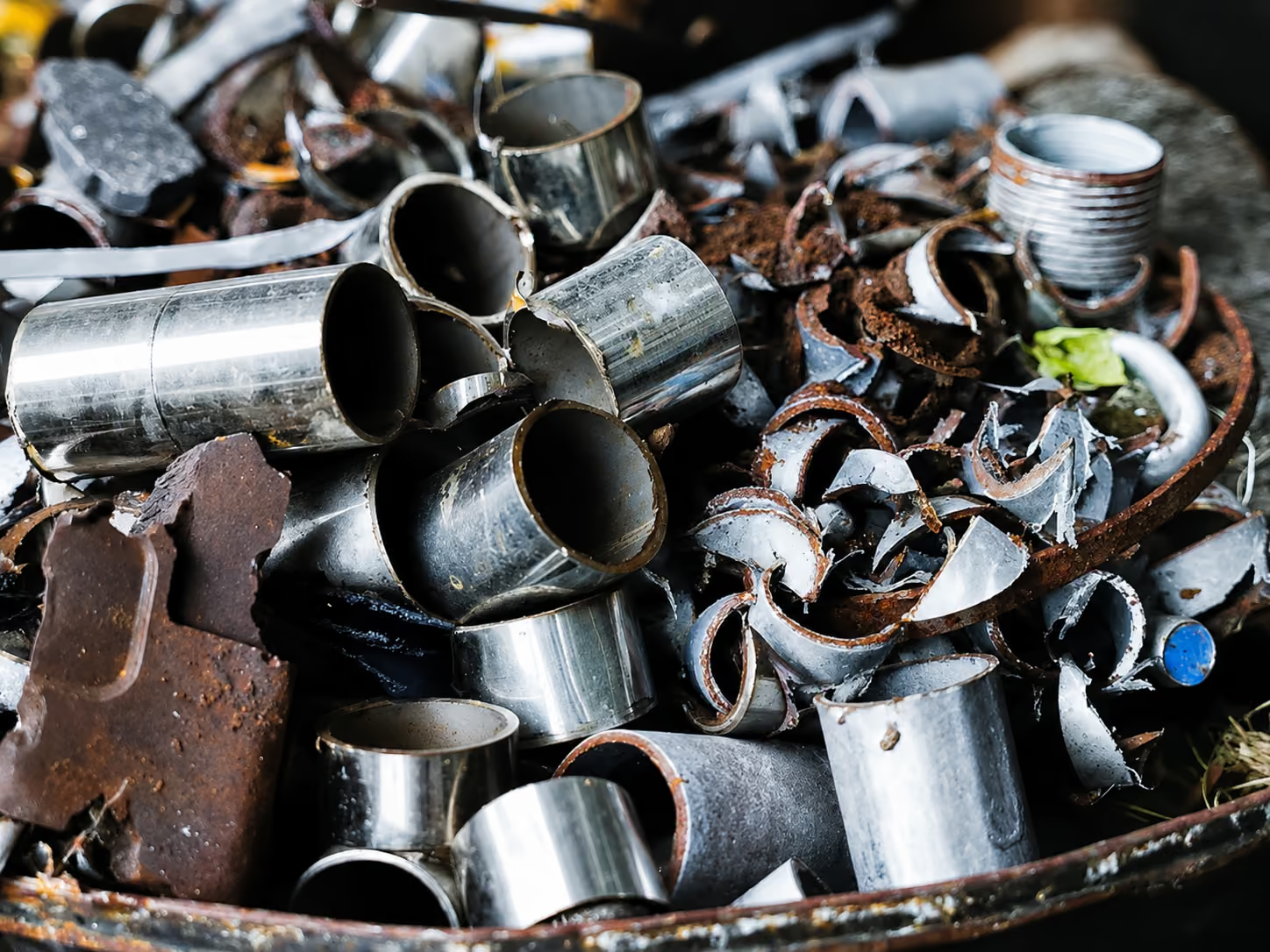
Repairing vehicles also means protecting the environment. Automotive workshops regularly handle engine oil, coolant, brake fluid, batteries, tyres and cleaning chemicals that can harm waterways and surrounding land if they're not managed properly. That's why workshops must follow Environmental Protection Authority (EPA) requirements and environmental best practices when storing, handling and disposing of these materials.
Managing automotive waste responsibly
Hazardous materials can't simply be thrown into general waste. Used oils, coolant, batteries, oil filters and other workshop waste should be separated, stored safely and collected by licensed waste contractors for recycling or disposal. These processes help prevent pollution and keep workshops compliant with environmental regulations.
Small practices make a big difference
Environmental compliance is often about doing the basics well. Spill kits, secure chemical storage, clean work areas and proper drainage all help stop contaminants from entering stormwater systems. These everyday practices protect the environment while creating a safer workplace for technicians.
Responsible servicing benefits everyone
Choosing a workshop that follows environmental best practice means your vehicle is serviced responsibly from start to finish. At BM Tech, we combine manufacturer-approved repair procedures with responsible waste management and ongoing technician training to deliver high-quality car servicing that supports both your vehicle and the environment.
Keep your vehicle performing at its best
Keep your European vehicle serviced to manufacturer standards with specialist logbook servicing from BM Tech.
Logbook service
A logbook service helps maintain your vehicle's performance, reliability and warranty by following the manufacturer's recommended service schedule. At BM Tech, we service BMW, MINI, Audi and Volkswagen vehicles using manufacturer-approved procedures, quality parts and dealer-level diagnostics. Our experienced technicians provide transparent advice and preventative maintenance to help keep your vehicle running at its best.

Why choose BM Tech?
Automotive standards are only effective when they're applied consistently. At BM Tech, we combine specialist European vehicle expertise with ongoing training, dealer-level diagnostic technology and responsible workshop practices to deliver servicing you can trust.

Specialists in European vehicles
Our team specialises in servicing BMW, MINI, Audi and Volkswagen vehicles. By focusing on European brands, we can follow manufacturer repair procedures and deliver service tailored to each vehicle's engineering requirements.

Ongoing technical training
Vehicle technology continues to evolve, from advanced driver assistance systems (ADAS) to electric and hybrid powertrains. Our technicians undertake ongoing manufacturer and industry training to stay current with the latest repair methods, diagnostic procedures and automotive best practices.

Dealer-level diagnostics
Modern vehicles rely on sophisticated electronic systems that require more than a basic scan tool. We use dealer-level diagnostic equipment to accurately identify faults, perform software-related checks and support manufacturer-approved repair procedures.

Responsible workshop practices
Professional servicing goes beyond repairing vehicles. We follow environmentally responsible workshop practices, including appropriate waste management, safe chemical handling and responsible recycling, while maintaining a clean and safe workplace for both our team and our customers.
Frequently asked questions
Which vehicles are subject to the Australian Design Rules (ADRs)?
Almost all new road vehicles supplied to the Australian market must comply with the relevant Australian Design Rules (ADRs) before they can be sold. The ADRs cover areas such as occupant safety, emissions, lighting, braking, tyres and wheels, and other design requirements. Even after purchase, repairs and certain modifications should continue to meet the applicable standards.
What are Vehicle Standards Bulletins (VSBs)?
Vehicle Standards Bulletins (VSBs) are official guidance documents that explain how certain vehicle modifications can be carried out while maintaining compliance with Australian requirements. For example, VSB 1 provides guidance for light trailers, while other bulletins cover different vehicle categories and modification requirements.
What is the New Vehicle Efficiency Standard (NVES)?
The New Vehicle Efficiency Standard (NVES) is an Australian Government policy that sets emissions targets for vehicle manufacturers rather than individual motorists. Its aim is to encourage a broader range of lower-emission vehicles to enter the Australian market over time. It doesn't require existing vehicle owners to replace their current vehicles or impose direct obligations on workshops.
Where can I find official Australian vehicle standards?
The best source is the Department of Infrastructure, Transport, Regional Development, Communications and the Arts, which publishes the Australian Design Rules and Vehicle Standards Bulletins. State and territory road authorities also provide guidance on registration, roadworthiness and modification requirements relevant to your location.
Book a service with confidence
Experience specialist European vehicle servicing backed by industry best practices, dealer-level diagnostics and a commitment to quality workmanship.
Table of contents