
Key Takeaways
- A pre-purchase inspection helps identify hidden faults and gives you a clear understanding of a used European vehicle's condition before you buy.
- A roadworthy certificate confirms minimum safety standards but does not assess overall mechanical condition or future repair risks.
- Choosing a European specialist like BM Tech provides expert diagnostics, a comprehensive inspection and a detailed report to help you buy with confidence.
What is a pre-purchase car inspection?
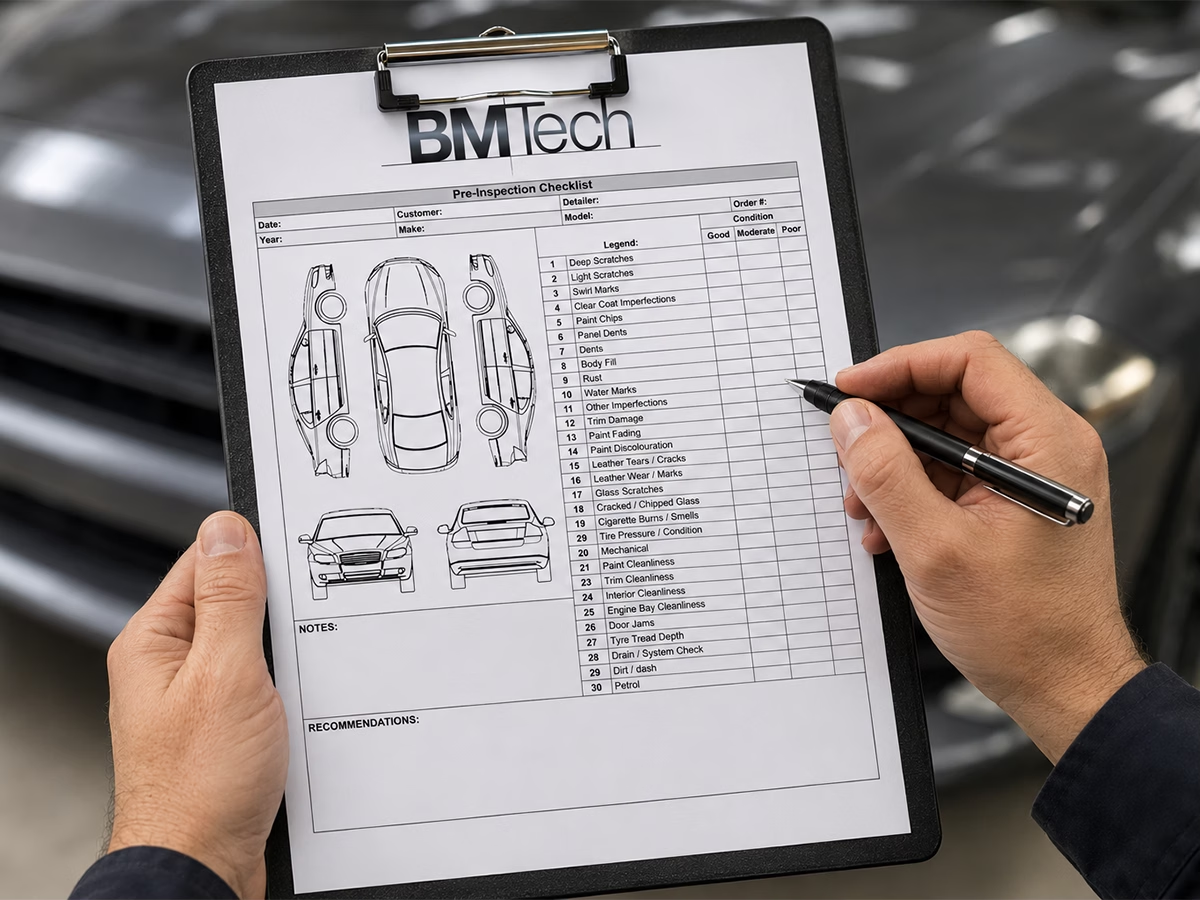
A pre-purchase car inspection is a comprehensive assessment of a used vehicle carried out before you commit to buying it. Performed by an independent technician, the evaluation assesses the vehicle's mechanical, electrical, and structural condition to uncover hidden issues that may not be apparent during a visual inspection or test drive.
For European vehicles such as BMW, Audi, MINI, and Volkswagen, a specialist inspection is especially valuable given their advanced engineering and diagnostic systems.
The inspection should be completed before you finalise the purchase, giving you a clear understanding of the vehicle's condition and any repairs or maintenance it may require. A detailed inspection report can help you make an informed decision, negotiate a fair price or walk away from a vehicle with costly hidden problems.
Is a pre-purchase inspection worth it?
With more than 13.2 million new passenger vehicles registered across Europe in 2025, demand for European brands remains strong. However, appearances can be deceiving when it comes to cars. If you're buying a used European car, a pre-purchase inspection can help you:
- Uncover hidden mechanical and electrical issues before they become expensive repairs.
- Assess the vehicle's overall condition beyond what you can see during a visual inspection.
- Negotiate a fair purchase price using an independent inspection report.
- Avoid buying someone else's problem by identifying signs of poor maintenance or previous accident damage.
- Make an informed decision with greater confidence before committing to the purchase.
Why is a specialist inspection essential for European cars?
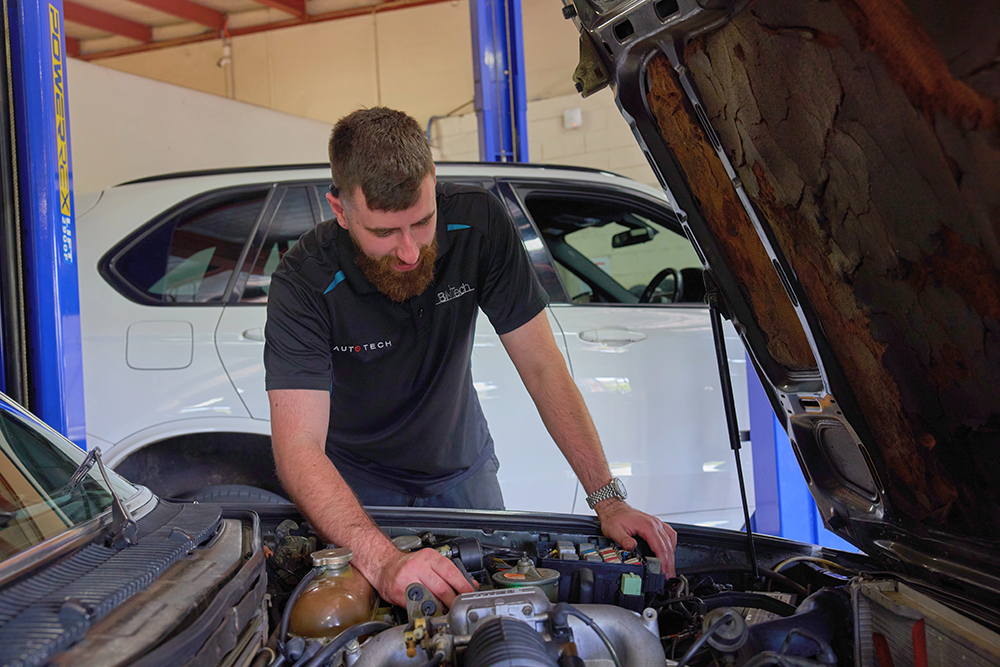
European vehicles are engineered differently from many Japanese, Korean and American brands. BMW, Audi, MINI and Volkswagen often feature turbocharged engines, advanced transmissions and manufacturer-specific electronic systems that require specialised knowledge to assess accurately. A European car specialist inspection helps ensure the vehicle has been maintained to the manufacturer's standards before you buy.
European engineering requires specialist knowledge
European vehicles use specialised components and tightly integrated systems that differ from many mainstream cars. An experienced technician can identify signs of incorrect repairs, overdue maintenance or modifications that may affect reliability.
Recognising brand-specific wear points
Every manufacturer has known areas that deserve closer attention. BMW models commonly experience cooling system and oil leak issues as they age, while Audi and Volkswagen models may develop DSG transmission or water pump faults. A specialist knows where to look and what to assess during the inspection.
Looking beyond the service history
A stamped logbook doesn't always reflect the vehicle's true condition. A specialist can verify whether servicing has been completed correctly, assess the quality of previous repairs and identify hidden issues that could affect future ownership costs.
Book a pre-purchase inspection service today
Book a pre-purchase inspection with BM Tech for an independent assessment and the confidence to make an informed decision before you buy.
What does a European car pre-purchase inspection include?
- Engine, transmission and drivetrain
- Brakes, suspension and steering
- Cooling system, battery and fluid condition
- Electrical systems, diagnostics and warning lights
- Bodywork, underbody and accident history
- Service history and overall vehicle condition

Engine, transmission and drivetrain
We assess the engine, transmission and drivetrain for signs of excessive wear, leaks, unusual noises and performance issues. The inspection helps identify potential problems that may affect reliability, drivability or future repair costs before you commit to the purchase.

Brakes, suspension, steering and tyres
Your vehicle's braking, handling and ride quality depend on these critical components. We inspect the brakes, suspension, steering system, and tyres for wear, damage, and uneven tyre wear, while checking for signs of wheel alignment or suspension issues.

Cooling system, battery and fluid condition
Cooling system failures and fluid leaks can lead to expensive repairs if left unnoticed. We inspect the radiator, hoses, battery and essential fluids for leaks, contamination, deterioration and other signs that may affect the vehicle's long-term reliability.

Electrical systems, diagnostics and warning lights
Modern European vehicles rely heavily on sophisticated electronics. Using specialist diagnostic equipment, we scan for stored fault codes, investigate dashboard warning lights and check key electronic systems, including the infotainment system and instrument cluster, for correct operation.
Bodywork, underbody and accident history
Our inspection looks beyond the vehicle's cosmetic appearance to assess its overall condition. We check the bodywork and underbody for corrosion, prior accident repairs, structural damage, and other issues that may affect safety, performance, or resale value.

Service history and overall vehicle condition
A service history provides valuable insight, but it doesn't tell the whole story. We review available maintenance records alongside the vehicle's overall condition to determine whether it appears to have been serviced correctly, then provide a detailed inspection report to help you make an informed purchasing decision.
What to check during a used car road test
A road test complements a pre-purchase inspection by revealing how the vehicle performs in real driving conditions. While specialist diagnostics are still essential, these checks can help identify potential issues before you buy.
- Engine performance and acceleration: The engine should start easily, idle smoothly and accelerate without hesitation, excessive smoke or unusual noises.
- Gear changes and transmission: Manual and automatic transmissions should shift smoothly without slipping, jolting or delayed engagement.
- Steering, brakes and handling: The vehicle should steer accurately, brake evenly and remain stable. Pulling to one side, steering vibration, or brake noises may indicate underlying issues.
- Suspension, ride quality and tyres: Drive over different road surfaces and listen for rattles or clunks. Excessive tyre noise or an unsettled ride can indicate suspension wear or wheel alignment issues.
- Dashboard warning lights and electronics: Check that warning lights switch off after start-up and test features such as the air conditioning, infotainment system, windows and lighting to ensure they operate correctly.
Is a roadworthy certificate enough when buying a used European car?
A roadworthy certificate is an important part of buying a used vehicle, but it shouldn't be your only safeguard. It confirms the vehicle meets minimum safety standards at the time of inspection, not that it's mechanically sound or free from hidden faults. A pre-purchase inspection goes further by assessing the vehicle's overall condition, helping you understand potential repair costs before you commit.
- A roadworthy focuses on minimum safety requirements. It helps confirm that the vehicle is safe to drive, but doesn't assess the long-term condition of major components or whether the vehicle has been maintained properly.
- European cars require specialist knowledge. Modern European cars use advanced engineering and electronics that require inspection by technicians who specialise in European makes. An expert European workshop knows what to look for across a wide range of European car models.
- A comprehensive inspection goes beyond what you can see. We inspect the car from top to bottom, including the engine, transmission, suspension, brakes, electrical systems and onboard diagnostics. This thorough inspection helps uncover hidden faults that could lead to unexpected car maintenance costs after purchase.
- A pre-purchase inspection provides confidence before you buy. Our inspections for European vehicles include a detailed report outlining the overall condition, recommended repairs and maintenance requirements. This helps you understand whether the cost of inspection is worth the investment and gives you greater confidence before owning a European vehicle.
How much is a pre-purchase car inspection?
The cost of a pre-purchase car inspection varies depending on the vehicle's make, model and the level of assessment required. While a specialist inspection costs more than a basic safety check, it can save you thousands of dollars by identifying hidden mechanical or electrical issues before you buy.
Considering the potential repair costs of modern European vehicles, the inspection is a worthwhile investment that helps you make a more informed purchasing decision.
How long does a pre-purchase car inspection take?
A pre-purchase inspection typically takes between 1.5 and 3 hours, depending on the vehicle's condition and complexity. During this time, our technicians complete a comprehensive mechanical inspection, perform diagnostic scans, conduct a road test, and assess the vehicle's overall condition. Once complete, you'll receive a detailed report outlining any faults, maintenance requirements and recommendations before you proceed with the purchase.
The Complete Audi Ownership and Maintenance Guide for Australian Drivers
Whether you're considering your first Audi or already own one, this guide covers servicing intervals, maintenance costs, common issues and expert tips to help you get the most from your investment.
Why choose BM Tech for a European car inspection?
BM Tech has specialised in European vehicles since 1987, giving our technicians the experience to accurately assess BMW, MINI, Audi and Volkswagen models. We combine specialist knowledge, advanced diagnostic equipment, and a thorough mechanical inspection to help you understand the vehicle's true condition before you buy.

European vehicle specialists
Our technicians understand the engineering, electronics and common wear points found across leading European makes. This specialist knowledge helps us identify concerns that may be missed during a general inspection.

Dealer-level diagnostic equipment
Modern European cars rely on complex electronic systems that require manufacturer-specific diagnostic tools. We scan the vehicle for stored fault codes, warning light issues and electronic faults that may not be visible during a road test.
Independent and detailed reporting
You will receive a detailed report outlining the vehicle's condition, identified faults and recommended repairs. Our independent assessment gives you clear information without pressure to proceed with the purchase.

Almost 40 years of experience
BM Tech has supported Melbourne's European car owners for almost four decades. Our team brings more than 100 years of combined experience to every inspection, helping you make an informed decision with confidence.
Frequently asked questions
These answers cover common questions about pre-purchase inspections for used European vehicles.
Can a pre-purchase inspection identify every problem?
A thorough inspection can identify many existing faults and signs of wear, but no inspection can guarantee that a vehicle will never develop future problems. The inspection provides the clearest possible assessment of its condition at the time of inspection.
Do I need an inspection if the car has a full service history?
Yes. A complete service history is valuable, but it does not confirm the vehicle's current mechanical condition or the quality of every previous repair. A specialist can inspect the car, review its records and verify whether maintenance appears to have been completed correctly.
Can the inspection help me negotiate the purchase price?
Yes. A detailed report can provide evidence of repairs, overdue maintenance, or worn components that may affect the vehicle's value. You can use this information to negotiate a fair price, request repairs or decide not to proceed.
Who should arrange the pre-purchase inspection?
The buyer should arrange an independent inspection before finalising the sale. Ask the seller for permission to take the vehicle to a specialist workshop, allowing enough time for a mechanical inspection, a diagnostic scan, and a road test.
Book your pre-purchase car inspection in Melbourne
Contact our Canterbury workshop today to book your inspection with experienced European vehicle specialists.
Table of contents